
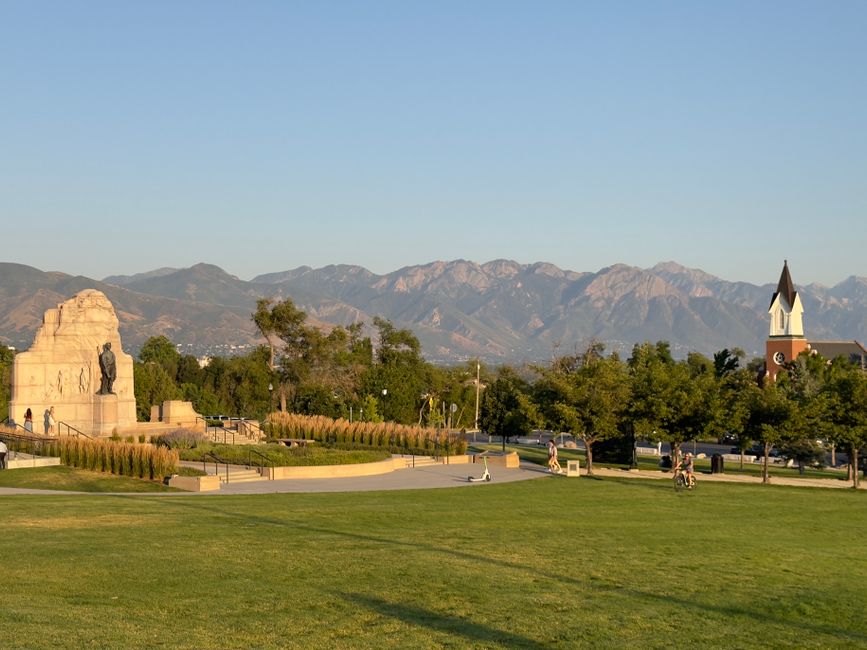
What permits do you need for an event in Salt Lake City? We’ve got you covered! We’ll walk through the difference between public and private property, the rules for city parks versus Salt Lake County ground, and what food, noise and crowd size mean for your permit.
We’ll also cover tents and open flame, the watershed rules around the Cottonwood Canyons, what the city and county actually ban in their parks, and who to contact when the answer isn’t the same everywhere you look. With the right offices lined up, you’ll be ready to plan your Salt Lake City event.
- Public Property, Private Property, and Salt Lake City Event Permits
- City Parks, Sugar House Park, and Salt Lake County Ground
- Food, Noise and a Crowd, in a Park or a Backyard
- Tents, Canopies and Cooking Under Canvas
- The Cottonwood Canyons Are Salt Lake City’s Drinking Water
- What Salt Lake City and Salt Lake County Ban in Their Parks
- What to Ask Before You Book
- Salt Lake City and Salt Lake County Offices to Contact
- Plan Your Salt Lake City Event With the Right Permits and Rentals
Public Property, Private Property, and Salt Lake City Event Permits
A cooler, folding chairs and a first-come picnic table need no paperwork at all.
Salt Lake City publishes no guest count. The trigger is who owns the ground: the Special Event Permits office covers city parks, roads, sidewalks and plazas, and “A permit is not required through our office for activities taking place only on private property.”
On city property, paperwork starts when you add any of this:
- Reserving a pavilion or another bookable site, so it’s held for your group
- Amplified sound, which “is prohibited without a special event permit”
- A food truck, vending or selling in a city park
- Filming, a parade, a race, a fundraiser or a vehicle display
- Closing a road
A phone-sized Bluetooth speaker stays clear of it, as long as the sound doesn’t leave your pavilion.
Private property is lighter, though alcohol pulls you back for a DABS permit from the state and local consent from Business Licensing, and the county health department reaches private ground too.
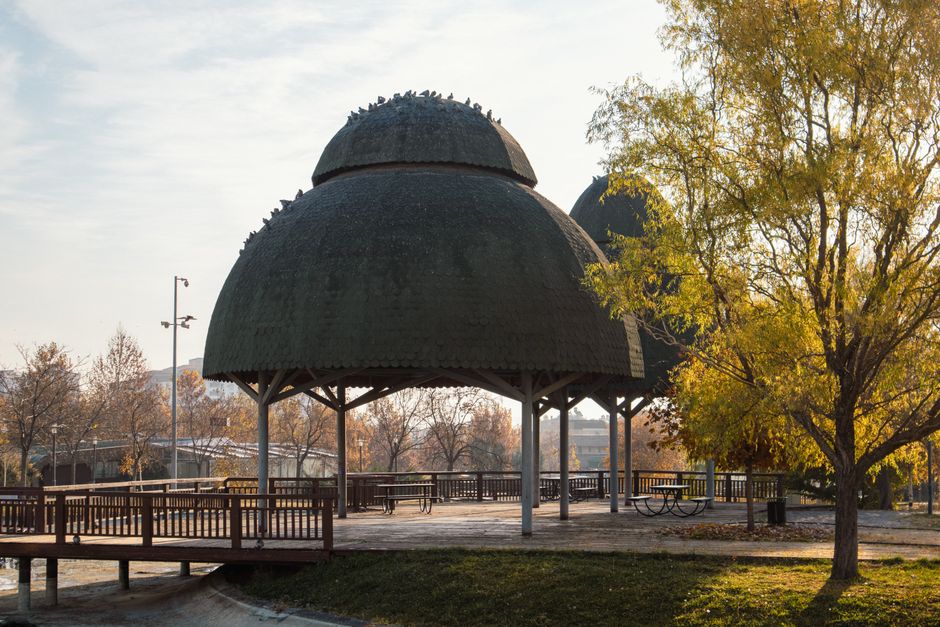
City Parks, Sugar House Park, and Salt Lake County Ground
Salt Lake City parks, Sugar House Park, and Salt Lake County grounds each go through a different office.
For city parks, Public Lands handles pavilion reservations.
- Ask what power and water the site actually has before you plan around either
- A wedding ceremony needs its own permit, with its own limits on what crosses the grass and which spaces a reception can use
- The permit buys a slot, never the space: “City parks are always open to the public, regardless of any permits held for special events, including weddings”
At Sugar House Park, the city’s ordinances apply, but the city’s booking doesn’t. The Sugar House Park Authority approves the activity itself, and the permit comes from Salt Lake County Parks & Recreation, so ask the Authority when its board next meets before you fix a date.
In a Salt Lake County park, there’s a headcount where the city has none: “Permits are required for Special Events (5K, movie in the park, any event over 50 people).” A county permit does not stand in for a city one, so if your event also touches city ground, you file with both. Ask the county about insurance, and about anything you would be expected to supply yourself.

Food, Noise and a Crowd, in a Park or a Backyard
The health department reaches your own backyard. An event anywhere in Salt Lake County, on private property as much as public, may need to meet health guidelines or hold a health department permit in addition to anything the city asks for.
- Food. “Any temporary food service offered to the public, whether offered for a price or free of charge, requires a permit from the health department.” Every vendor needs their own permit, including caterers, so ask for your caterer’s before you sign.
- Noise. A county temporary noise permit is separate from the city’s noise waiver, and applying usually includes giving written notice to nearby homes.
- Mass gatherings. An outdoor gathering of more than 500 people running longer than 2 hours needs a county mass gathering permit in addition to any city permit, and indoor events generally fall outside it.
Tents, Canopies and Cooking Under Canvas
Tents run through the Fire Marshal, one permit per structure. A couple of things to check before you order:
- Anything larger than a 10×10 pop-up: Check with SLC Fire.
- Several smaller canopies grouped together: These can add up into permit territory.
Every tent has to be secured against wind, and cooking under canvas adds fire-safety conditions on top, including an adult watching the flame the whole time it’s lit. Ask SLC Fire what those come to before you settle the menu.

The Cottonwood Canyons Are Salt Lake City’s Drinking Water
City Creek, Parleys, and the Cottonwood canyons are Salt Lake City’s protected watershed, and SLC Public Utilities permits events on city land up there. Headcount is not the trigger; the ground is, along with anything you bring in that could reach the water. Ask Public Utilities before you plan anything in a canyon.
The animal rule is flat: “Dogs, horses, and other domestic animals are prohibited in protected watersheds because their waste can end up in your drinking water. Search/Rescue dogs, etc. allowed by permit only.” Fireworks, swimming, and wading are prohibited.
Mill Creek Canyon is the exception, where dogs are allowed under an even-and-odd-day rule. Up in the national forest, the Salt Lake Ranger District issues its own permit for larger group gatherings, so ask them where your headcount lands and whether a group campground site changes the answer.
What Salt Lake City and Salt Lake County Ban in Their Parks
These lists are not the same.
Salt Lake City Public Lands rules out several things at its sites, including alcohol, open fires, staking a tent down, anything fixed to a tree, water play, animal attractions, and confetti, and inflatables need prior approval at a reservable site. Their list runs longer, so read it before you plan a send-off.
Salt Lake County publishes a shorter list: staking and water play are out, dogs stay leashed unless a sign says otherwise, and commercial use and fundraising need clearing first. Read theirs alongside the city’s.
Sugar House Park adds rules of its own on smoking, drones and water play, with fires only in designated spots. Read this list as well so you don’t have any surprises the day of your event.
What to Ask Before You Book
- Whose ground is this: Salt Lake City, Salt Lake County, the Sugar House Park Authority, or the Salt Lake Ranger District?
- Is my site inside the protected watershed, and does that rule out the dog?
- Can anything go into the ground, or should I plan on weighted bases?
- Does my caterer hold their own temporary food permit for my date?
- Who needs to carry insurance for this, my rental company or me?
- What power and water does the site actually have?
- Does a county permit cover the city’s, or do I need to file with both?
- Which office signs off on alcohol here, and what do they need from me?
Our roundup of top event venues in Salt Lake City helps build a shortlist.
For pricing, the Salt Lake City rental pricing guide breaks costs down by category.
Salt Lake City and Salt Lake County Offices to Contact
- Salt Lake City Special Event Permits. City public property and noise waivers.
- Salt Lake City Business Licensing. Local consent for alcohol.
- SLC Public Lands reservations. Pavilions and park rules.
- SLC Parks wedding policy. Ceremony permits.
- SLC Fire Department tents page. Tents and stage canopies.
- SLC Public Utilities Watershed. Canyon events and animals.
- Salt Lake County Health Department. Mass gathering, noise, temporary food.
- Salt Lake County Parks & Recreation. County park rules.
- Sugar House Park events. Board approval.
- Salt Lake Ranger District. Group use in the canyons.
- Utah DABS. Single event and temporary beer permits.
Utah’s event alcohol permits come from DABS, and serving beer on its own is not what triggers one. It triggers when you sell beer, price it into admission, or open the event to the general public. Ask DABS and Business Licensing which of those applies to you.
Plan Your Salt Lake City Event With the Right Permits and Rentals
Once you know who owns the ground you’re standing on, everything else follows: which office to call, what the permit covers, and what you can set up on the day. Sort that out early and the rest of the planning is just a list.
Reventals makes finding event rentals simple, with quality rentals for events of every size. You can browse tents and canopies, chairs and tables available in Salt Lake City and send your rental request in one place, and our team works behind the scenes to keep the process smooth.