



What permits do you need for an event in Denver? Many gatherings need nothing filed, so this may be a quick read. We’ll walk through when casual park use turns into a permitted event, how the land you’re standing on changes the answer, and what to do about tents, heaters, music and alcohol.
We’ll also cover what Denver parks don’t allow, the questions to ask the permit office before you book, and which department handles which piece. A little checking up front, and you’re set to plan a great Denver celebration!
- Casual Park Use in Denver
- Park Land, City Streets, and Private Property
- Tents, Heaters, and Anything With a Flame
- Amplified Sound in Denver
- Serving and Selling Alcohol in Denver
- What Denver Parks Don’t Allow
- What to Ask the Parks Permit Office Before You Book
- Which Denver Departments to Call With Questions
- Planning an Event in Denver?
Casual Park Use in Denver
A lot of what you’d do in a Denver park needs nothing at all. Parks and Recreation calls it casual park use: a small private gathering, nothing commercial, no alcohol sold or served.
The condition that catches people has nothing to do with headcount. Casual use also means no infrastructure: a rented canopy, a sound system, a food truck.
Above that, the parks department runs several permit types, sorted by size and by whether the event is invitation-only. Ask the permit office which one you’re on, since it determines what else you file.
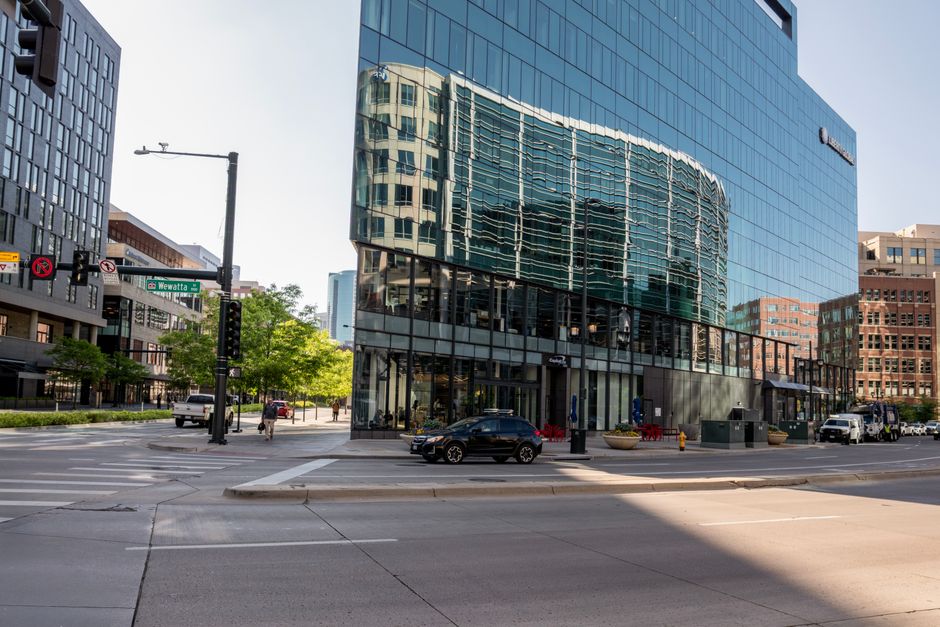
Park Land, City Streets, and Private Property
Which office you deal with depends on where your event is happening. One of them is actually named the Office of Special Events, but that is not the office most private hosts need.
On parkland, Parks and Recreation comes first. You need to clear the park space with them before you apply anywhere else, since the citywide application doesn’t reserve a park. Not every park is authorized for every kind of event, so ask before you commit to a site. The Mountain Parks run a shorter season than the parks in town, and close earlier in the evening, so dinner, toasts, and load-out have to finish within that time.
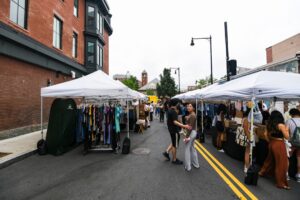
On streets, sidewalks, and plazas, the Office of Special Events applies, but your event must:
- Be open to the public: no invitations and no guest list.
- Have rentals on the feature list: the Office of Special Events keeps its own list, which includes tents, open flames, and generators.
An invitation-only party fails the first test, since it has a guest list. The Office of Special Events steps out at that point, though you may still have other permits to sort out.
On private property, events in parking lots or anywhere not already zoned for assembly need a temporary rezoning permit. Settle that early, since it determines whether your venue works.
Still choosing a site? Our guide to wedding venues in Denver covers the options.

Tents, Heaters, and Anything With a Flame
Denver Fire’s permit list runs well past tents. Each of these trips a permit on its own:
- Candles
- Open flame
- Canopies
- Temporary heaters
Anything larger than a 10×10 pop-up is worth checking before you book, and so is the patio heater you hadn’t counted as equipment.
A stage or a built structure may need a building permit that only a licensed contractor can apply for. A big generator needs a fire permit for its fuel, plus an electrical permit that only a licensed electrician can file.
Ask your supplier how big theirs is, and who does the filing.
If you’re still working out your rental budget, check out our Denver rental pricing guide!

Amplified Sound in Denver
Plan your evening around 10 p.m. That is when Denver’s noise limits drop, measured at the nearest residential property, and the hour is the same across the city with no zone-based split. Amplified sound systems belong to Public Health and Environment, which issues no noise permits. You may run across a louder allowance, but that one applies only to events open to the general public.
Serving and Selling Alcohol in Denver
Colorado’s special event liquor permit goes only to the organizations the statute lists, and Denver reiterates this: non-profits are eligible, and the alcohol proceeds must benefit the non-profit.
That isn’t a dead end for a private host, because selling and serving are separate questions here. The park permit you end up with decides whether you may sell, only serve, or neither, and on permits that allow neither, guests may still bring their own. Kegs and glass are out. Ask the permit office which permit applies to you and what it requires for your bar service.
Two rules sit above whatever your permit says. Service must stop an hour before your event ends and no later than an hour before park curfew, so plan your last call. Alcohol also has to stay well clear of playgrounds, pools, and recreation center entrances. Their list runs longer than that, so read it if your site sits near one.
And at an event open to the public, alcohol usually means paying for security Denver will accept, often off-duty police, so ask early what that costs you.

What Denver Parks Don’t Allow
These hold whether or not you have a permit, unless your paperwork says otherwise:
- Glass throughout. Bottles and glass containers aren’t allowed in park facilities.
- Inflatables and bounce houses are not covered under a standard park permit, so ask what would allow them before you book the park.
- Food trucks. Mobile food vending in a park needs its own vendor permit, so ask before you hire one.
- Anything driven into the ground. Nothing may be staked or built in place, so a park tent needs weights.
- Signs and banners. Advertising in a park is restricted, so mention your welcome sign when you apply.
- Fireworks of any kind, possession included, outside a permitted professional display.
- Moving park benches, chairs, and tables without written authorization.
- Marijuana in parks and on public property, and recreational drone use on public property.
- Horse-drawn carriages and bands or large sound systems beyond what your permit covers.
Fires work the other way round, since the rule lists what’s allowed instead of what’s banned. It comes down to grills and fire pits kept up off the ground, and a fire ban overrides all of it, so check close to your date.
What to Ask the Parks Permit Office Before You Book
- What separates casual use from a permit here, and which permit type am I on?
- Is this site authorized for the kind of event I’m planning?
- Will the restrooms be open on my date? Denver says plainly that availability is not guaranteed, and indoor restrooms are typically open only in the middle of the day.
- Is there park power, and can I supply my own if there isn’t?
- Does my permit cover a pop-up canopy, or does that require a Denver Fire permit?
- Which of my items trips a Denver Fire permit, and am I serving or selling alcohol?
- May I sell alcohol on this permit, or only serve it, and what security does that add?
Which Denver Departments to Call With Questions
- Denver Parks and Recreation, Parks Permit Office. Check the Park Permits page for every permit type, site availability, and the alcohol rules attached to each.
- Office of Special Events. Whether you need an OSE permit at all, and who it hands you to if not: contact page.
- Denver Fire Department. Tents, heaters, fire pits, generators, candles and open flame: department page, or specialeventsDFD@denvergov.org.
- Excise & Licenses. Liquor and cabaret permits, and licensing for hired security: special event liquor permit page.
- Community Planning and Development. Temporary rezoning, electrical, and stage permits: contact page.
- Public Health and Environment. Noise, food vendor licensing, water features: DDPHE page.
- Transportation and Infrastructure. Street, sidewalk and plaza closures: DOTI page.
Planning an Event in Denver?
Start with the ground. Once you know whose site you’re standing on and which equipment lands on a permit list, the calls go quickly and the rest of your planning falls into place behind them.
Reventals makes finding event rentals for your Denver event simple. Browse tents and canopies, ballast that holds a tent down when you can’t stake it, and portable restrooms for sites where the building isn’t open, then submit one request for everything. Our team works behind the scenes to keep the process smooth.