








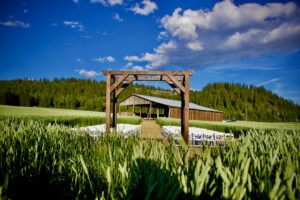
A tent under the stars makes for an exquisite event venue. For winter events, a heated party tent rental can ensure your guests are comfortable.
The most economical option is to rent propane tent heaters. However, this option has severe limitations. Since these run on propane, they must be in a well-ventilated area, which means you can only put them in the tent without sidewalls. This option will increase the temperature about 5 degrees in the immediate vicinity of the heater.
- How are Party Tents Heated in the Winter?
- How Do Professionals Keep Heat in the Tent?
- What Heater Will You Need According to Tent Size?
- What Other Costs Should Be Considered for Heated Party Tents?
How Are Party Tents Heated in the Winter?
Keeping a party tent warm during winter events usually involves combining commercial heaters, proper tent insulation, and strategic setup techniques. The best heating solution depends on the tent size, outdoor temperature, wind exposure, and whether the tent is fully enclosed.
Propane Tent Heaters
Propane heaters are one of the most popular ways to heat party tents during winter events because they provide reliable heat without requiring an electrical connection. These heaters use propane as fuel to generate warmth, making them ideal for outdoor weddings, receptions, corporate events, and backyard parties where access to power may be limited.
One of the biggest advantages of propane heating is portability. Event organizers can place heaters in different areas of the tent depending on guest flow, seating arrangements, and weather conditions. Many systems are also easy to transport and install, making them a practical option for short-term events.
Portable propane heaters are most commonly used for partially enclosed tents, open-sided layouts, patios, cocktail spaces, and outdoor gatherings where temperatures are cool but not freezing — typically around 40–50°F. Because these heaters are usually positioned around the perimeter of the tent for safety, they work best when guests move through the space rather than sit in one fully enclosed area for long periods.
For mild winter weather and chilly evenings, a common rule of thumb is to use approximately one portable propane heater for every 300 square feet of tent space. Larger enclosed tents or below-freezing temperatures often require commercial-grade heating systems for more consistent warmth.
Important Safety Disclaimer: Portable propane heaters should never be used inside a fully enclosed tent without proper ventilation. These heaters are designed for open-air or partially enclosed environments with adequate airflow. Using propane heaters in sealed tents can create dangerous carbon monoxide buildup and serious fire hazards. Always follow manufacturer safety guidelines, maintain proper clearance from tent walls and decorations, and ensure adequate ventilation at all times.
Diesel Indirect Heaters
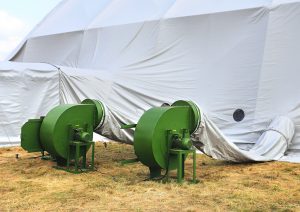
Indirect-fired diesel heaters are one of the most effective heating solutions for large party tents and winter events because they deliver powerful, consistent heat while keeping the combustion process safely outside the tent.
Unlike direct-fired heaters, indirect diesel systems use an external heating unit positioned outside the event space. The heater warms clean air in a heat exchanger, then pushes it into the tent via large ducts or ventilation tubes. This design helps maintain comfortable indoor temperatures without exposing guests to open flames, exhaust fumes, or direct combustion gases.
Because of their efficiency and heating capacity, indirect-fired diesel heaters are commonly used for:
- Winter weddings
- Corporate events
- Large reception tents
- Luxury outdoor events
- Long-duration gatherings in freezing temperatures
These systems are especially valuable in extremely cold weather because they can maintain stable temperatures even in large enclosed tents with high guest counts.
How Professionals Keep Heat Inside Party Tents
Heating equipment works best when combined with heat-retention strategies.
Tent Sidewalls
Tent sidewalls play a major role in keeping party tents warm during cold-weather events by trapping heated air inside the structure and protecting guests from wind, rain, and temperature drops.
Without sidewalls, heat can escape almost immediately, forcing heaters to work much harder to maintain comfortable temperatures. Even powerful heating systems become less efficient when warm air is constantly being lost through open tent sides.
By enclosing the tent, sidewalls create a more controlled environment that allows heat to circulate evenly throughout the space. This can dramatically improve the effectiveness of propane heaters, radiant heaters, and indirect-fired diesel systems during winter events.
Tent sidewalls help by:
- Reducing heat loss
- Blocking cold wind and drafts
- Improving overall heater efficiency
- Maintaining more consistent indoor temperatures
- Creating a more comfortable guest experience
For winter weddings and outdoor receptions, sidewalls are often considered essential because they help transform an outdoor tent into a semi-insulated event space.
Flooring & Ground Covers
Cold ground can significantly impact the temperature inside a party tent, especially during winter events. Even when powerful heaters are in use, uninsulated ground surfaces can draw heat away from the tent, creating uncomfortable cold spots throughout the event space. Heating systems work more effectively when warm air is retained inside the tent rather than being absorbed by the cold ground below.
Flooring systems and ground covers help create a thermal barrier between the tent interior and the cold ground below. This added layer of insulation helps retain heat more effectively while improving overall guest comfort during outdoor events.
In addition to improving warmth, flooring systems also create a more polished and comfortable event environment by stabilizing surfaces and reducing moisture buildup inside the tent
Beyond temperature control, flooring systems also improve the overall guest experience by:
- Reducing mud and moisture
- Creating a more finished appearance
- Improving walkability
- Protecting formal footwear
- Making lounge and dining areas feel more comfortable
For upscale winter events, flooring is often considered an essential part of the tent heating strategy rather than simply a decorative upgrade.
What Size of Heater Will You Need?
Figuring out the tent size and then what size heater you need can be daunting, and really every job is different with multiple options. Variables that can affect pricing include surface, the number of people in the tent, and average outdoor temperatures. However, you have to start somewhere, and the purpose of this chart is to help with planning and budgeting.
If you own a rental business, check out these top 3 picks for party tent heaters!
Tent Rental Sizes and Estimated Tent Heater Needs for Enclosed Tents
| Tent Rental Size with Sides | Needed | Approximate Total* |
|---|---|---|
| 10 x 30 – $500 | 7-10 KW Est:23,000 BTU $400 – $800 | $1000 |
| 20 x 40 – $700 | 18-20 kW Est:60,000 BTU $600 -$1,000 | $1500 |
| 20 x 50 – $800 | 22KW Est: 75,000 BTU $800 – $1200 | $1800 |
| 30 x 60 – $1400 | 40KW Est: 135,000 BTU $1,000 – $1,400 | $2500 |
| 40 x 60 – $2000 | 60KW 200,000 BTU $1,200 – $1,600 | $3400 |
What Other Costs Should Be Considered for Heated Tent Rentals?
- The prices in the chart above reflect the cost of renting a generator to power the tent heater; however, they do not include fuel for the generators.
- Delivery and setup will also be additional costs and vary based on location and required setup and tear-down times. For example, if a tent rental must be removed at midnight when the event is over, it will cost significantly more than if it can be picked up during normal business hours.
- The tent rental prices are estimates. Prices can vary depending on the type of tent sidewalls you select (windowed sidewalls are more expensive than solid sidewalls). If the tents can’t be staked into the ground due to irrigation systems, there will be additional fees to rent water barrels.
- You will need to add tent lighting, and you may consider other tent accessories that will increase the price as well.
This blog provides general guidelines for heating a party tent without electricity, but you can contact us to get a quote for your specific party needs. We would love to help you with your event!