










⁠

15 Inspiring Conference Themes for 2026

What makes one conference unforgettable, and another instantly forgettable? It often comes down to the theme.

The best conference themes do more than look good on a banner; they give your entire agenda structure. Think of your theme as the heartbeat of your event, with every session, speaker, and space working together to reinforce a central idea.

In this guide, we’re sharing 15 conference theme ideas that actually work! Not just in theory, but in practice. Each one comes with tips on how to build your event around it, so attendees stay engaged, inspired, and already excited for next year’s theme.

How to Choose the Right Conference Theme

Conference Attendees

Before you start picking colors and taglines, take a step back. There are a multitude of great conference theme ideas available (and 25 of them are right here!), but that doesn’t mean all of them will work for your target audience. The conference theme you choose should resonate with your audience. 

There are a few questions you should ask yourself before choosing a theme:

Who is my audience? 

Executives and C-suite? First-time attendees? Tech innovators? Educators? Choose a theme that aligns with their values, challenges, and expectations.

For example, a theme like “Disrupt Everything” might resonate with a room full of tech innovators who thrive on bold thinking and rapid change, but it could feel off-putting or vague to educators who value structure, equity, and proven methods. 

In that case, a theme like “Building What’s Next” or “Innovating with Purpose” might strike a better balance.

What’s my event format? (in-person, virtual, or hybrid) 

Your event format should guide the type of conference theme you choose — not every idea works well across in-person, virtual, and hybrid settings.

  • In-person? Choose a theme that sets a mood. Lighting, staging, and signage can reinforce the tone — think futuristic, nostalgic, playful, or sleek.
  • Remote or hybrid? Focus on ideological themes that show up in content, conversation, and visuals. Think: “Breaking Barriers,” “Innovating Together,” or “Lead with Purpose.”

A strong theme works across formats, even if it shows up differently for virtual vs. in-person attendees.

What emotional tone do I want to set?

Do you want to energize a burnt-out audience? Reassure people navigating change? Inspire bold thinking or collaboration? Your theme should emotionally cue how attendees feel walking in and how they engage throughout the conference.

Does this actually matter? Yes! Emotional tone shapes not just the sessions, but the conversations, the dress code, the pacing, even how people network. It’s the difference between attendees feeling invited to reflect vs. called to act. This differentiation will shape how people remember your conference and what they take from it.

25 Conference Themes

Now that your brain is spinning with the right questions, it’s time to get down to business. Here are 25 conference themes segmented out for different audiences. You can jump to your desired audience here:

Leadership Conference Themes

Conference Debate

An effective leadership theme sparks an “Aha!” moment. The people attending these events aren’t starting from scratch. They’re C-suite executives, department heads, and emerging leaders. 

They’ve been in the trenches. 

They know what works and what doesn’t.

Therefore, your conference theme needs to go beyond the basics. It should offer depth, nuance, or a fresh perspective. Leaders want to leave with something they can act on. If your theme is too abstract or vague, it won’t land. Choose an idea that connects to real-world problems and outcomes.

1. Lead with Purpose

This theme challenges leaders to connect the why behind their decisions to the impact those decisions have on people, on culture, and on the long-term health of the business.

Unlike themes focused on growth or innovation, Lead with Purpose is about alignment: making sure what leaders say matches how they act. It works best for leadership teams facing cultural transformation, rebuilding trust, repositioning their brand, or hiring with values in mind.

To make this theme resonate with experienced leaders, don’t default to sessions about “finding your why” unless you’re speaking to a junior or emerging audience. 

Instead, focus on real tensions and decision points:

  • How do leaders respond when purpose and profit conflict?
  • What frameworks can help teams navigate value-based decision-making?
  • What happens when you lead with purpose… and it fails?

Session idea: “When Values Cost Revenue, And Why We Did It Anyway” 

Bring in a speaker who stuck to a principle (e.g., ethical sourcing, DEI commitments, transparency in a crisis) even when it hurt short-term growth.

2. The Future Starts with Us

This theme is about strategic ownership.

It’s designed for leadership teams navigating uncertainty and needing to define a clear path forward at the same time. That might mean launching a new product line while sunsetting another, rolling out AI tools before internal systems are fully ready, or rethinking the org chart after a merger or layoff cycle.

This theme is useful when the old playbook no longer fits, but a new one hasn’t been written yet. Leaders are being asked to act decisively even when clarity is limited. The Future Starts with Us gives attendees a framework to stop waiting for a roadmap and start building one.

Use this theme to prompt conversations that prioritize long-term bets over short-term fixes and push past the “but this is how we’ve always done it” mindset.

Session idea: “What We’re Betting On”

Host a roundtable where senior leaders each share one decision they’re making now that carries long-term implications. It could be a product investment, culture shift, or operational change. They should share anything that shows how they’re building, not just reacting.

3. Elevate Every Voice

This theme is about dismantling hierarchy where it gets in the way of progress.

Research shows that 40% of employees lack confidence in sharing their ideas. That’s not a people problem. It’s a leadership environment problem.

Too often, leaders underestimate how their presence shapes a room. People filter what they say. They stay surface-level. Elevate Every Voice invites leaders to listen differently—without rushing to solve, judge, or steer the conversation.

This theme works well when your audience is thinking about:

  • Trust and transparency
  • Culture repair or retention
  • Strengthening inclusion beyond hiring stats
  • Encouraging innovation from more than the top

At a leadership conference, you likely won’t have frontline employees in the room, but that doesn’t mean you can’t build awareness around how leadership presence affects what people say. The focus becomes helping leaders unlearn habits that unintentionally shut people down and practice better ones.

Session idea: “What We Don’t Hear”

Create a moment of clarity where leaders confront how hierarchy shapes what gets said and what doesn’t. Not to process it all right there, but to make it impossible to ignore going forward.

use 8–10 anonymized, real-world quotes from employees at various levels. Show them on screen or read them aloud one by one. For example:

“I don’t bring up issues in meetings because I know they’ll just get shut down.”

“My boss says she wants feedback, but only when it’s on her terms.”

“I’ve watched people speak up and then get quietly excluded from decisions later.”

Ask:

  • Which of these quotes feels possible in your org?
  • Which one stings? Why?
  • When’s the last time someone told you something that surprised you?

This workshop creates emotional friction without demanding immediate resolution and makes space for future work to build from it.

4. Adapt & Advance

This theme is about leading through change without getting stuck in survival mode.

The pace of change isn’t slowing down, and this theme gives leaders space to assess what’s working, what needs to evolve, and where they’re stuck. 

The strength of this theme is in its practicality. It’s grounded in the reality that conditions change, and leadership has to change with them. That doesn’t mean abandoning strategy. It means creating the space to adjust direction, shift priorities, or revisit decisions without viewing it as a failure.

Many leadership teams stay stuck because they’re holding on to outdated goals, legacy systems, or internal narratives that no longer reflect current reality. Adapt & Advance gives attendees permission to name what’s no longer serving them—and to move forward without needing a full reset.

Session Idea: “The Plan We Let Go”

Help leadership teams identify legacy plans, assumptions, or habits that are slowing them down—and create a path to move forward with intention.

How it works:

Each attendee is asked to bring one initiative, strategy, or approach from the last 12–24 months that hasn’t delivered the intended result. Not a total failure, just something that’s no longer serving the business as expected.

In small groups, they work through a facilitated set of prompts:

  • What was this plan trying to achieve?
  • What changed in the business or environment since it was created?
  • What signs have we seen that it needs to shift?
  • What’s holding us back from letting it go or evolving it?

Then, each person answers: What would progress look like now, given what we know today?

5. Bold Moves, Real Results

This theme is about decisive action and full accountability.

It’s designed for leadership teams that are stuck in planning mode, stretched across too many priorities, or waiting for the perfect moment to commit. Bold Moves, Real Results brings the focus back to action with clarity, visibility, and measurable outcomes.

A bold move doesn’t have to be dramatic. It just has to matter. 

That might mean making a difficult hire, walking away from a legacy product, shifting a customer strategy, or saying no to something that’s been draining resources. What makes it bold is the risk, the visibility, and the willingness to follow through even when it’s uncomfortable.

This theme resonates when teams are spinning their wheels. It asks leaders to stop softening decisions for consensus and start leading with conviction. It works best when the goal is to create urgency, rebuild momentum, or break through internal resistance.

More than anything, Bold Moves, Real Results is a challenge: to stop waiting for ideal conditions and act with discipline and intent, starting now.

Session Idea: “The Move We’re Sitting On”

Create space for leaders to name a decision they’ve been avoiding, then work through what’s holding it up and what it would take to move.

How it works:

Start with solo reflection:

“What’s one strategic decision you’ve been postponing?

It could be a project you haven’t greenlit, a restructure you’ve been circling, or a change you believe in but haven’t backed publicly.”

Ask each participant to write down:

  • The decision itself
  • Why it matters
  • What’s blocking it (fear, politics, timing, lack of alignment, etc.)
  • What result would make the risk worth it

Then, move into small groups. Each leader will share their “stuck decision” and should get 10 minutes of structured input from the group.

6. From Vision to Impact

This theme is for leaders who are done talking about ideas; they’re ready to make them real.

Most people in the room already have a vision. They’ve set goals, shared strategies, and painted a compelling picture of where they want to go. But the harder part is what comes next: execution, accountability, and outcomes that actually reflect the intention behind the message.

From Vision to Impact is about narrowing the gap between what leaders say matters and what gets done. It’s especially relevant when priorities feel clear at the top, but blurry in the middle, or when progress is slow despite alignment on the big picture.

This theme works because it meets people where they are: wrestling with competing demands, limited resources, and the daily friction between strategy and reality. It pushes for honest reflection on what’s working, what’s stalled, and what needs to shift to translate vision into measurable progress.

Session Idea: “Where It’s Breaking Down”

Help leaders identify the specific points where their strategy is stalling, whether that’s communication, clarity, team engagement, or operational follow-through. Map out what to do next.

How it works:

Start with individual reflection. Ask attendees to choose one initiative, priority, or vision statement from their own organization that they’re currently responsible for advancing. Then guide them through these prompts:

  • Is this vision clear to you? If someone two levels down was asked to explain it, would they describe the same thing?
  • What’s already in motion? What’s stalled?
  • What do people need more of—clarity, resources, reinforcement, or accountability?
  • What’s your next leadership move to get this unstuck?

Move into small-group discussions to pressure-test their thinking. Each leader shares their situation and gets real-time input on what’s likely getting in the way, then what actions might help close the gap.

Education Conference Themes
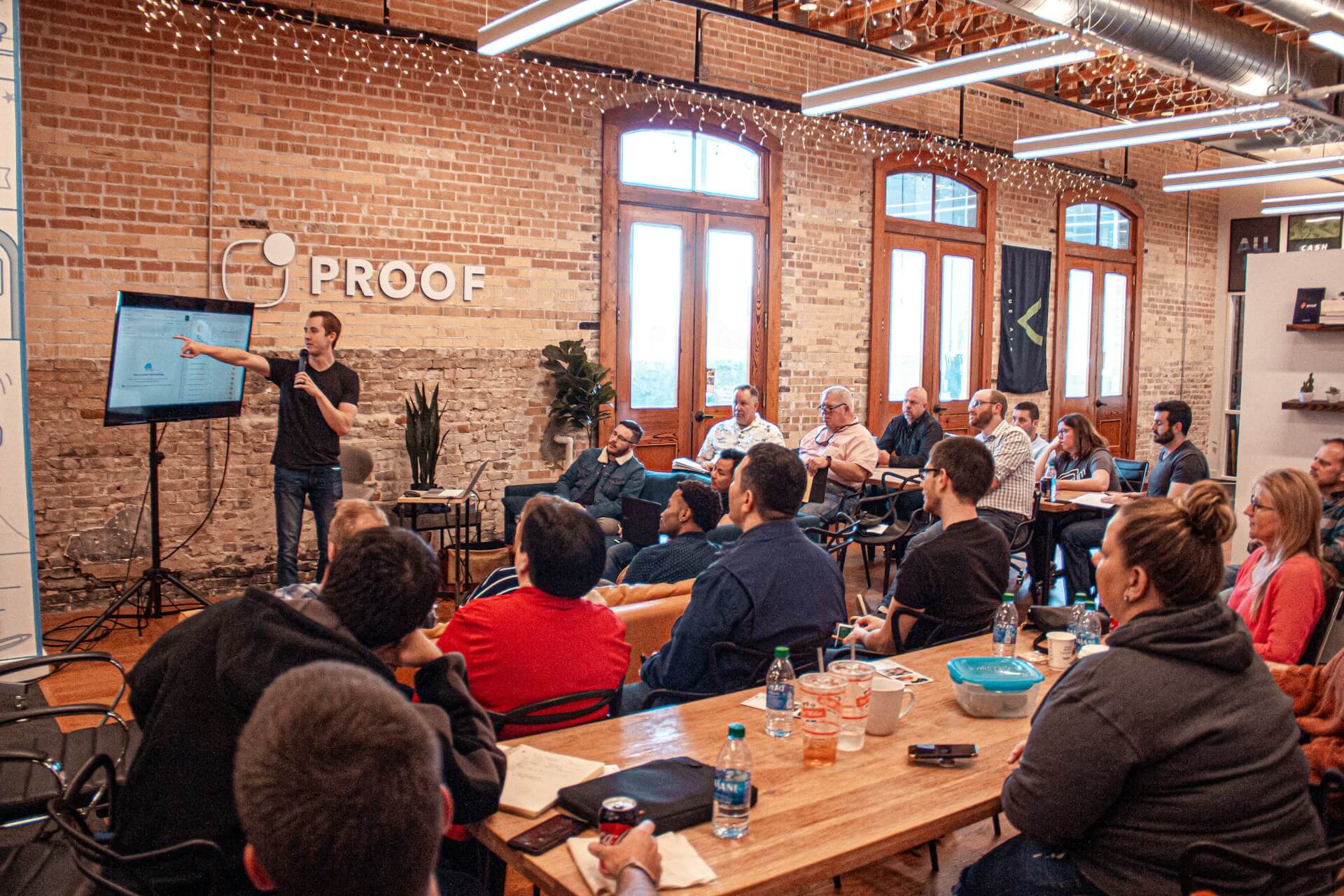
Casual Conference

Educators don’t come to conferences for hype; they come for answers. They want tools they can use, ideas that address real constraints, and conversations that respect their time and experience.

A good theme sets the tone for that kind of event. It helps you focus the agenda around what actually matters: improving student outcomes, building stronger systems, adapting to change, and staying grounded in what works. And it signals what kind of thinking will show up on stage: practical, research-backed, or deeply contextual.

Whether you’re planning for K–12, higher ed, or district leadership, your theme should connect directly to what people are dealing with right now: staffing shortages, policy shifts, equity gaps, burnout, tech integration, or academic recovery.

7. This Isn’t Working Anymore

This theme is about confronting what’s broken and building something better.

It acknowledges what educators already know: some of the systems, strategies, and classroom practices we’ve relied on just aren’t cutting it anymore. Not because people aren’t trying hard enough, but because the context has changed. 

Student needs have shifted. 

Expectations have grown. 

And the gap between what we’re doing and what’s actually working is hard to ignore.

This theme creates space for practical reinvention. It resonates with educators who want to update how learning looks, feels, and functions without throwing out what still serves students. It opens the door to real talk about engagement, motivation, differentiation, and how we use time and technology.

It’s especially effective when your audience is asking:

  • What routines or expectations have outlived their usefulness?
  • What are we doing just because it’s standard practice?
  • What could we change that would have a meaningful impact on student experience, or teacher sustainability?

Session idea: “What We Stopped Doing and Why It Helped”

Invite teachers, coaches, or school leaders to walk through one practice they stopped—on purpose, and what happened next. Maybe it was nightly homework, rigid pacing guides, behavior charts, or weekly staff meetings with no agenda.

Each panelist or presenter covers:

  1. What made them question the practice in the first place
  2. What they changed (or replaced it with)
  3. What impact they saw for students, staff, or themselves

The goal isn’t perfection, it’s honest reflection. This session gives educators permission to reevaluate, iterate, and move forward with intention.

8. Teaching in the Aftermath

This theme is about meeting students where they are, not where we wish they were.

For many educators, the pandemic is technically “over,” but the effects are still showing up every single day. Students arrive without the skills that used to be assumed: how to share space, how to handle frustration, how to focus, how to ask for help. The rhythms and routines that once grounded school life don’t feel automatic anymore. 

And teachers are being asked to deliver grade-level content to students still figuring out how to exist in a shared space. In many classrooms, the academic struggle is layered with behavioral challenges, chronic absenteeism, and a growing divide between what standards expect and what students are ready for.

This theme gives educators room to name the tension: the pressure to catch students up without burning out in the process. It creates space to ask what supports are working, what assumptions need to shift, and how to lead through this moment with urgency and realism, not blame.

Session idea: “Reteaching What Used to Be Automatic”

In this session, educators share how they’ve adapted when students arrive without the academic and social skills that school used to take for granted. The focus is on practical adjustments, not theory. It’s what educators actually changed, how it played out, and what stuck.

Each speaker addresses:

  • The specific skill or behavior that had broken down (e.g., group work, note-taking, self-regulation, classroom transitions)
  • How they identified the gap—what signs they noticed and how it was affecting learning
  • What they tried (and what didn’t work)
  • The routine, structure, or practice they rebuilt to address it
  • How they tracked progress or saw improvement over time

Attendees walk away with a framework for identifying “invisible” skill gaps early and strategies for reteaching foundational behaviors without losing instructional time.

9. When Reading Breaks Down

This theme is about what happens when students can’t access the content, not because they’re disengaged, but because they can’t read it.

Reading comprehension gaps are no longer isolated to ELA. Teachers in every subject are adjusting lessons because students can’t process grade-level texts. They’re simplifying instructions, filling in background knowledge, and reteaching how to extract meaning—all while trying to stay on pace.

According to the Nation’s Report Card, 39% of public school fourth graders scored below NAEP Basic in reading in 2022. In some states, that number exceeded 50%. By eighth grade, the White House reported in 2025, 70% of students were reading below proficiency. These gaps are especially visible in under-resourced schools, where teachers are stretched thin and support systems are limited.

This theme is a call to respond. It asks: What does it look like to teach content when students can’t independently access the material? How do we scaffold without watering down? And how do we train and support every teacher, not just ELA, to help students build the skills they’ve missed?

Session Idea: “They’re Not Disengaged, They’re Lost”

This keynote or featured session is led by a literacy expert who breaks down how reading comprehension gaps are driving challenges in classrooms across every subject area. The session helps teachers recognize that when students struggle to follow directions, avoid written tasks, or give up mid-assignment, reading may be the root cause, even when it doesn’t look like a reading issue.

The speaker uses real classroom scenarios to illustrate what reading breakdowns look like in practice. The expert then walks through what’s actually happening cognitively and what teachers can do to support students, even without changing their content or becoming literacy specialists.

10. Teaching in the Age of AI

This theme speaks directly to the tension teachers are feeling when it comes to AI: adapt or retreat.

As AI tools like ChatGPT enter classrooms, educators are rethinking everything from how they assess understanding to whether students should write essays at all. Many are torn between embracing new tools and protecting academic integrity.

Some schools are pushing forward with AI integration. Others are doubling down on handwritten assignments and in-class work. And most teachers are somewhere in the middle, asking: How do I know what’s real?

This theme isn’t about choosing sides. It’s about creating space for real discussion: What are students learning with AI? What are they losing? What’s the role of the teacher when information is instantly accessible?

It’s a powerful theme for conferences where attendees are:

  • Actively confronting cheating and plagiarism issues
  • Unsure how to grade or assess AI-assisted work
  • Looking for clarity on how AI can support learning without replacing critical thinking
  • Navigating conflicting guidance from districts, parents, and admin

Session Idea: “The AI Line in the Sand”

This interactive session asks every educator in the room to take a stand:

  • Team Embrace It – AI is a tool like any other. Teach students how to use it well.
  • Team Ban It – The risks to learning, ethics, and equity outweigh the benefits.
  • Team Hybrid – Some guardrails, some adoption, but clear expectations.

But here’s the twist: once everyone has picked, they’re intentionally placed in mixed groups with people from the other stances.

Each group receives a realistic classroom challenge (e.g., preventing plagiarism on a take-home essay, teaching research skills with AI tools available, addressing equity when some students have AI access at home and others don’t).

Their task:

  • Discuss how each perspective would approach the challenge
  • Surface the values behind each approach – what’s being prioritized and why
  • Create a shared recommendation that reflects all views, even if imperfect

11. Reclaiming the Room

This theme tackles the silent crisis playing out in classrooms every day: teachers trying to engage students whose attention is constantly pulled by phones, games, and social media.

Many educators describe tech dependence as something closer to addiction. Students zone out. They sneak devices. Some even melt down when separated from their phones or tablets. 

And teachers aren’t just battling students. They’re often battling parents, too. Some families don’t see a problem. Others expect exceptions. 

The result? 

Inconsistent boundaries, undermined policies, and educators stuck in the middle.

Reclaiming the Room is about restoring the classroom as a place where presence matters, attention is respected, and learning feels human again. It’s about confronting what happens when the tools we use start using us.

This theme creates space to:

  • Talk openly about student dysregulation, addiction patterns, and device anxiety
  • Explore how to set boundaries that hold, even when parents push back
  • Share what’s working in classrooms that are slowly regaining control
  • Reimagine classroom culture in a way that centers connection over control

Session Idea: “Same Classroom, Different Lens”

In this interactive session, educators are invited to step inside the mindset of the very people who often push back the hardest: parents.

The session opens with two contrasting short stories:

  • A teacher describing a day derailed by phones; students scrolling under desks, missing instructions, and exploding when asked to log off.
  • A parent describing why their child “needs” their phone for safety, mental breaks, or emotional regulation, plus their concern that removing it causes stress.

Then, participants are broken into groups and assigned a “lens”:

  • Educator lens: Uphold boundaries and create a focused learning space.
  • Parent lens: Advocate for your child’s needs, especially if you don’t fully trust the school’s tech policies.
  • Student lens (optional): Defend how and why you use tech during the day.

12. Beyond Burnout – The Elephant in the Room

This theme confronts the elephant in the faculty lounge: the exhaustion isn’t seasonal anymore, it’s structural.

Educators aren’t just tired. They’re depleted. They’re absorbing policy shifts, staff shortages, behavioral escalations, and community pressure with fewer resources and less support. And they’re expected to keep showing up with energy, empathy, and effectiveness.

Beyond Burnout isn’t about bubble baths and breathing exercises. It’s about acknowledging the scope of the problem and helping educators build something more sustainable within themselves, their schools, and their systems.

This theme is best for conferences that are ready to get honest about:

  • Why teachers are leaving—and what might make them stay
  • The emotional labor of teaching, especially post-COVID
  • What collective care and structural change can look like in practice
  • How administrators can respond with more than appreciation lunches

The tone should becandid, restorative, no toxic positivity. This is the theme where educators can take off their “I’m fine” mask without fear.

Session Idea: “What We Carry”

In this facilitated workshop, teachers and administrators are placed in separate groups. Each group is given the same set of prompts, but they’re asked to answer from their own lived experience, not from assumptions about the other side.

Example prompts:

  • What’s one invisible burden you carry at work that no one sees?
  • What part of your job feels unsustainable right now?
  • What kind of support feels performative vs. helpful?
  • What’s one small shift that would make a real difference in your day-to-day?

After group discussions (30–40 minutes), both groups reconvene.

The facilitator leads a read-back of each group’s answers, side by side. No names, just themes and representative quotes. The goal is to see the contrast: What’s shared? What’s misunderstood? What’s missing?

Technology Conference Themes

Tech Conference

The industry is in the middle of a massive transition. AI is reshaping workflows, hiring is tightening, and developers are burning out under the weight of constant pivots. That’s why the best tech conference themes in 2025 tackle urgent questions about how we work, what roles we need, and how to build resilient teams for an unpredictable future.

13. The Talent Reckoning

For years, software engineering was seen as a bulletproof career path. Now, automation, outsourcing, and market correction are rewriting the rules.

This theme dives into what happens when a high-skill, high-demand workforce starts facing scarcity instead of opportunity. The goal is not to be alarmist, but to educate professionals on where they should be putting their energy and how to envision next steps in their career path. 

Why does this matter, and why will it resonate?

  • AI tools like Copilot are eliminating the need for entire layers of routine coding work.
  • Companies are keeping teams lean, even as output increases.
  • Economic headwinds and regulatory burdens in the US are pushing hiring overseas.
  • New grads are entering a market that looks nothing like the one they trained for.

This theme creates space for a candid look at how the tech workforce is changing. It invites honest dialogue about which roles are quietly being phased out and what’s actually replacing them. 

It also brings the focus to individual resilience: what it takes to stay relevant when “learn to code” is no longer a guaranteed ticket in. And for hiring teams, it’s a chance to rethink how they build effective, sustainable teams when the traditional playbook – hire more engineers, scale fast – doesn’t apply anymore.

Session idea: “What Now? Rethinking the Software Career Path”

This panel brings together hiring managers, engineers, and workforce analysts to explore how the definition of “valuable talent” is changing. They’ll cover:

  • Which roles are being automated or outsourced—and why
  • What skills (technical or otherwise) are growing in demand
  • How individuals can future-proof their careers
  • How companies can rethink hiring, upskilling, and retention

Could even include a live audience poll on which skills attendees believe will be obsolete or critical in 5 years, and compare results to expert predictions.

14. Working With the Machine

This theme is about what it really means to build, think, and lead in the age of AI.

AI isn’t coming—it’s already here. From code generation to customer support to creative ideation, it’s reshaping how work gets done. GitHub Copilot, ChatGPT, and other tools have become part of the daily workflow.

Code that once required hours of human focus now takes minutes. Entire classes of tasks, from writing boilerplate to generating unit tests, are shifting from human hands to AI tools. The result? A quiet redefinition of roles, responsibilities, and what career growth looks like.

Code ownership, once tied closely to who wrote the logic, now demands a new layer of clarity and oversight. And for engineers themselves, the question is pressing: how do you grow when “writing code” isn’t the main value you bring anymore?

More than anything, Working With the Machine is a conversation about what it looks like to stay relevant, lead well, and build resilient teams in an AI-shaped future.

Session Idea: “Redefining Senior: What Growth Looks Like in an AI-Augmented World”

This session tackles a quiet tension in engineering orgs: if AI handles the grunt work, what does technical growth actually look like now?

Led by a panel of engineering leaders and staff+ engineers from AI-integrated teams, the session explores:

  • How definitions of “senior” and “staff” are shifting
  • What makes a standout engineer when velocity is no longer tied to output volume
  • How mentoring, systems thinking, and code stewardship are becoming more central to growth
  • Real-world examples of updated career ladders or evaluation rubrics in post-AI orgs

Attendees will walk away with a clearer sense of how to grow as an engineer or how to lead teams when the nature of technical contribution is changing fast.

15. Running Hot

This theme confronts the quiet crisis playing out in tech teams everywhere: developers are working faster than ever, but at what cost?

Productivity metrics are up. Morale often isn’t. “Running Hot” opens space for honest conversations about capacity, pacing, and what it really takes to build sustainable engineering cultures.

This theme is ideal for engineering managers, team leads, CTOs, and people ops leaders who want to build sustainable teams where momentum doesn’t come at the cost of mental health, team cohesion, or long-term retention.

Session Idea: “Burnout Early Warning System”

This hands-on workshop helps engineering leaders identify, interpret, and act on early signals of team burnout before it turns into disengagement or health crises.

How it works:

Present participants with anonymized team scenarios based on real patterns, things like:

  • A team that’s hitting sprint goals but skipping retros every cycle
  • A high performer who stops offering input in planning meetings
  • Repeated “voluntary” weekend work that no one pushes back on
  • A team with solid metrics… but zero laughter, banter, or curiosity

In small groups, ask participants to:

  • Spot potential red flags and where leaders might overlook them
  • Name what might actually be going on under the surface
  • Discuss what questions they’d ask and what action they’d take

Leaders leave this session with a clearer lens for spotting burnout before it surfaces in exit interviews or declining performance. They gain language to discuss team health in ways that extend beyond metrics, addressing emotional tone, unspoken pressure, and the gradual erosion of engagement. Most importantly, they walk away with practical ideas for resetting expectations and pace, without sacrificing delivery.

Preparing for Your Conference? Let Reventals Help!

You’ve nailed the theme. Now it’s time to bring it to life without drowning in logistics.

That’s where Reventals comes in. We make conference planning easier by being your single point of contact for everything rental-related. No chasing vendors. No juggling quotes. Just one invoice, one team, and everything you need to make your event shine.

Whether you’re planning:

  • Staging and pipe & drape for a main session
  • Lounge furniture for a networking area
  • Sign holders, A/V, and all the behind-the-scenes essentials

We’ll coordinate it all, from vendor sourcing to delivery. Browse our online rental marketplace here! 

Reventals Logo
Reventals

Find all your party rental needs in one place.

You may also like...

Austin Zip Codes

78701, 78702, 78703, 78704, 78705, 78712, 78719, 78721, 78722, 78723, 78724, 78725, 78731, 78735, 78741, 78742, 78744, 78745, 78751, 78752, 78754, 78756, 78757, 78758

TapGoods and Reventals Privacy Policy 

Effective date: 08/27/2026. The following take effect 09/27/2026, thirty days later: Section 5 (Artificial Intelligence and Automated Processing), Section 7 (Service Providers), the reference to artificial intelligence providers in Section 6, and the paragraphs on opt-out preference signals and the “Do Not Sell or Share” link in Section 8. Everything else takes effect on the date above. Previous versions of this policy are available on request — email privacy@tapgoods.com. 

1. Who We Are and What This Policy Covers 

TapGoods Inc., a Delaware corporation (“TapGoods,” “we,” “us,” or “our”), operates two related businesses: 

  • TapGoods PRO — rental-management software used by rental businesses to run their operations, including quotes, orders, inventory, payments, and customer-facing storefronts. 
  • Reventals — an event-rental marketplace where individuals and businesses find and book rentals from rental vendors. 

This policy covers both, together with our websites and mobile apps (the “Services”). We have written it as one document because the two businesses share systems, and one policy is easier to keep accurate than two. 

Storefronts and other sites we host for our customers 

Rental businesses use TapGoods PRO to run online storefronts, some of which we host on our own infrastructure. This policy covers our handling of information on those storefronts — the cookies we set to make them work, and the information we process to operate them. It does not cover what the rental business does. Each rental business decides what to sell, what to collect from its customers, what content and tracking to add to its own storefront, and how to handle its customers’ information. If you rented something and have a question about your information, contact the business you rented from. 

The words we use 

“Subscriber” means a rental business that uses TapGoods PRO. “Vendor” means a rental business listed on Reventals. “Renter” means a person or business that books rentals through Reventals. “Customer Data” means information about a Subscriber’s or Vendor’s own customers that flows through the Services. 

“Personal information” means information that identifies you or that can reasonably be linked to you, including identifiers such as cookie and device IDs where the law treats them as personal information. “De-identified information” means information that cannot reasonably be linked back to you and that we keep in that form without trying to re-identify it. 

2. Information We Collect 

We collect information in three ways: you give it to us, it comes from your use of the Services, and it comes from other sources. 

Information you give us 

  • Account information — your name, business name, email, phone number, mailing address, and login credentials. 
  • Billing information — billing address, tax identification number, and the payment details you enter at checkout. We never receive your payment card number; card details go directly to our payment processors. If you pay by bank transfer, we receive your bank account details and pass them to our payment processor to complete the transaction, but we do not store them. 
  • Booking and transaction information — what you rented or listed, delivery details, dates, and amounts. 
  • Anything else you send us — support requests, testimonials, survey responses, and messages. 

Information from your use of the Services 

  • Device and connection information — IP address, device type and identifiers, operating system, and browser. 
  • Usage information — pages viewed, features used, searches run, links clicked, and timestamps. 
  • Approximate location. On Reventals we look up the general area associated with your IP address when you arrive, so we can show you inventory available near you. We show you the location we have selected and you can change it at any time. We do not collect precise location such as GPS coordinates. 
  • Information from cookies and similar technologies, described in Section 8. 

Information from other sources 

  • Our Subscribers and Vendors, who submit Customer Data to run their businesses. 
  • Payment processors and fraud-prevention providers. 
  • Marketing and data partners, and publicly available sources. 
  • Third-party accounts you choose to connect, such as a calendar. 

Payments 

Payment processing is handled by third parties, currently Fiserv through Launchpay (an Infinicept company) and, for some accounts, Stripe. They receive the payment information needed to process your transaction and handle it under their own privacy policies. We can tell you which processor applies to your account on request. 

3. What We Collect, By Category 

California and several other states ask us to describe the information we collect using defined categories. This table covers the same ground as the section above, organized the way those laws require. 

Category 

What we collect 

Where it comes from 

Why we use it 

Shared for advertising? 

How long we keep it 

Identifiers 

Name, email, phone number, postal address, account ID, login credentials, IP address, cookie and device identifiers 

You; your use of the Services; our Subscribers and Vendors; marketing and data partners 

To provide and support the Services, communicate with you, prevent fraud, market our Services, and improve the Services 

Yes — online identifiers on our marketing websites, and email and contact details we upload to advertising platforms 

While your account is active, and afterward while needed for legal, tax, accounting and security purposes 

Commercial and transaction information 

What you rented or listed, order and quote history, delivery details, dates, amounts, billing address, tax identification number 

You; our Subscribers and Vendors; payment processors 

To fulfill bookings, take payment, provide support, and produce your reports 

No 

While your account is active, and afterward while needed for accounting and tax purposes 

Internet and device activity 

Pages viewed, searches run, features used, links clicked, timestamps, browser and device type 

Your use of the Services; cookies and similar technologies 

To operate and secure the Services, measure performance, and improve them 

Yes — on our marketing websites 

While needed to operate, secure and improve the Services 

Approximate location 

General area derived from your IP address. We do not collect precise or GPS location. 

Your use of the Services 

To show inventory available near you on Reventals 

Yes — approximate location only, on our marketing websites 

While needed to show you nearby inventory, and within our usage records 

Professional and business information 

Business name, business address, role, tax identification number 

You, as a Subscriber or Vendor 

To provide the Services to your business, bill you, and support you 

No 

While your account is active, and afterward while needed for accounting and tax purposes 

Inferences 

Assessments we or our tools draw about likely interest in our products, and insights generated about your own business activity 

Derived from the information above 

To decide who to contact about our Services, and to produce reports and insights for you 

No 

While relevant to the purpose, and no longer than the information it is drawn from 

Sensitive personal information 

Account login credentials, and bank account details where you pay by transfer. We never receive payment card numbers or security codes. Bank details are passed to our payment processor and not stored by us. 

You 

Only to secure your account, take payment, and provide the Services 

No — never 

Login credentials while your account is active. Bank details are not retained after the transaction is processed 


Where the table gives a retention entry, it describes the criteria we use rather than a fixed period, because how long we need information depends on the account, the transaction, and what the law requires. 

We do not sell your personal information for money. We do share online identifiers, internet activity, and approximate location with advertising partners for cross-context behavioral advertising on our marketing websites, which counts as “sharing” under California law and “targeted advertising” under other state laws. You can opt out — see Section 8. We never share sensitive personal information for advertising, and we do not use or disclose sensitive personal information for purposes beyond those the law permits. 

4. How We Use Information 

We use information to: 

  • Provide, operate, and support the Services, including processing bookings and payments. 
  • Communicate with you about your account, transactions, and support requests. 
  • Keep the Services secure — detecting and preventing fraud, abuse, and security incidents. 
  • Improve and develop the Services, including analyzing how they are used and building new features. 
  • Market our Services to businesses and, on Reventals, show renters relevant rentals and offers. 
  • Comply with law, enforce our agreements, and protect our rights and the rights of others. 

We describe these at the level of purposes rather than listing individual features, so this section stays accurate as the Services change. 

Text messages 

If you give us your mobile number and agree to receive texts, we may send you messages about your account, bookings, and deliveries, and marketing messages where you have separately agreed to those. Message frequency varies. Reply STOP to any message to stop receiving texts, or HELP for help. Message and data rates may apply. We do not share mobile numbers with third parties for their own marketing. 

Rental businesses can also use the Services to text their own customers. When they do, they decide what to send and are responsible for having the consent the law requires. We send those messages on their behalf. 

5. Artificial Intelligence and Automated Processing 

We use artificial intelligence and machine learning (“AI”) to help operate and improve the Services. This section describes what we do with AI and, just as importantly, what we do not do. 

What we use AI for 

We may use AI to generate or improve content such as inventory descriptions and customer communications, to provide reporting and insight features including ones that let you ask questions about your own business data, to help handle support requests, to detect fraud and abuse, to analyze how the Services are used, and to build new features. 

What information AI features can reach 

When you use an AI feature, it can query the business records in your own account at the time you use it, rather than working from a fixed extract. Depending on the feature, this can include your customers’ contact information. It does not include payment card details. Access is limited to your own account’s records. 

Where we produce automated reports for you, our software calculates the figures and AI writes the commentary around them. 

What we do not do 

  • We do not let AI providers train their general models on your information. We use AI providers as service providers, under contracts that limit them to providing services to us. We do not permit them to use information from the Services to train their general-purpose or publicly available models. 
  • We do not sell your information to AI providers. 
  • We do not make significant decisions about you by machine alone. We do not use AI to make decisions that have legal or similarly significant effects on you without a person involved. If automated processing plays a meaningful part in such a decision, you may contact us to ask about it, ask for human review, or object. 
  • We do not train models on your personal information. Where we train, tune, or evaluate models ourselves, we use de-identified or aggregated information, or we act on a Subscriber’s or Vendor’s instruction. 

Payment verification is not a decision of this kind. Checking that the billing address and security code you enter match your card records is verification, not an assessment of you. If a payment is declined you can correct the information and try again, or use a different payment method. Your card issuer and the card networks also make their own decisions about whether to approve a transaction, and those decisions are theirs rather than ours. 

AI output can be wrong 

Content generated by AI may be inaccurate or incomplete. That includes reports and summaries we send you automatically, which are generated without a person reviewing each one. Do not rely on AI-generated figures or commentary for financial, tax, or other significant decisions without checking them against your own records. If you are a Subscriber or Vendor using an AI feature to create content for your own customers, review it before sending. 

Features a Subscriber or Vendor turns on 

Where a Subscriber or Vendor enables an AI feature that processes information about its own customers, it directs that processing and we act on its behalf. If you are a customer of one of them, contact them with questions about how they use AI. 

6. How We Share Information 

We share information in the following situations, and not otherwise: 

  • Service providers. Companies that perform functions for us — hosting, payment processing, analytics, communications, customer support, security, and artificial intelligence and machine learning services. They receive only what they need and are contractually limited to using it to provide services to us. 
  • Subscribers and Vendors. If you book a rental, we share what the business needs to fulfill it. 
  • Advertising and analytics partners. As described in Section 8. 
  • Professional advisers and authorities. When we are required by law, responding to legal process, enforcing our agreements, or protecting the rights, safety, or property of TapGoods or others. 
  • In a business transaction. If we are involved in a merger, acquisition, financing, or sale of assets, information may be transferred as part of it. We will notify you of any change in who controls your personal information. 

We upload contact details such as email addresses to advertising platforms so they can show you our ads and measure how they perform. Those platforms act on our instructions and are not permitted to use your contact details for their own purposes. We do not sell your contact details, and we do not share them with third parties for those third parties’ own marketing. 

If you are a Vendor, the business information and inventory you list are displayed publicly on the Reventals marketplace so renters can find and book them. 

Aggregated and de-identified information 

We create aggregated and de-identified information from data in the Services — for example market statistics such as the average rental price for a type of item in a region. This information does not identify you, your business, or your customers, and we do not attempt to re-identify it. We may use and share it for any lawful purpose, including publishing industry benchmarks and improving the Services. 

7. Service Providers 

We can provide a current list of the service providers that process personal information for us, including our AI providers, on request. Email us at privacy@tapgoods.com. 

8. Cookies, Analytics, and Advertising 

We and our partners use cookies and similar technologies — small files and identifiers stored on your device — to keep the Services working, remember your preferences, measure how the Services are used, and show you relevant advertising. 

What they are used for 

  • Essential. Required to run the Services, including signing you in, keeping your cart, and keeping your session secure. These cannot be turned off. 
  • Preferences. Remembering choices such as your location and saved settings. 
  • Analytics. Understanding how the Services are used so we can improve them. We use analytics providers, currently including Google Analytics. 
  • Advertising. Showing you our ads on other sites and apps, and measuring whether they work. This involves sharing identifiers with advertising partners, and uploading contact details such as email addresses to advertising platforms so they can match you to an audience. We do this for our own websites and marketing. We do not use advertising cookies on the storefronts we host for rental businesses, or inside the TapGoods PRO application. 

Your choices 

Most browsers let you block or delete cookies in their settings, and most mobile operating systems let you reset or limit the advertising identifier on your device. Blocking essential cookies will stop parts of the Services from working. 

We honor opt-out preference signals, including Global Privacy Control, sent by your browser or a browser extension. We treat such a signal as a request to opt out of the sharing of personal information for advertising on that browser or device. Because the signal is tied to a browser or device, you will need to enable it on each one you use. 

You can also opt out of the sale or sharing of your personal information using the “Do Not Sell or Share My Personal Information” link in our website footer. 

Browser settings and opt-out signals only affect sharing tied to that browser or device. They do not stop us from uploading your contact details to advertising platforms. To opt out of that as well, email privacy@tapgoods.com and we will remove you from our advertising audiences. 

9. Your Privacy Rights in the United States 

Depending on where you live, you may have some or all of the rights below. They are subject to verification and to the exceptions in the applicable law. 

  • Know and access the personal information we hold about you, and how we use and share it. 
  • Correct inaccurate personal information. 
  • Delete personal information we collected from you. We will delete what we can, but the law lets us keep some information — for example transaction, order, and payment records we need for accounting, tax, and legal purposes. If we keep something, we will tell you what and why. 
  • Receive a copy of your personal information in a portable format. 
  • Opt out of the sharing of personal information for targeted advertising. 
  • Limit our use of sensitive personal information to what the law permits. 
  • Opt out of profiling used to make decisions with legal or similarly significant effects. As described in Section 5, we do not make such decisions without a person involved. 
  • Be free from discrimination for exercising these rights. 

How to exercise them. Email privacy@tapgoods.com. We will confirm we received your request and respond within 45 days, and we will tell you if we need up to 45 more days. We have to verify your identity before responding, so we may ask for information that lets us match you to our records. An authorized agent may act for you if you give them written permission we can verify. 

If we say no. You may appeal by emailing privacy@tapgoods.com with “Privacy Appeal” in the subject line. We will respond within the time the law allows, and if we deny the appeal we will tell you how to contact your state attorney general. 

If you rented from one of our Subscribers or Vendors. That business is responsible for information it controls. Contact them directly. If you contact us, we will pass your request to them. 

10. Your Privacy Rights in Canada 

If you are in Canada, Canadian privacy law applies to our handling of your personal information, including the federal Personal Information Protection and Electronic Documents Act and the provincial personal information protection acts in Alberta and British Columbia. 

You may ask us to give you access to the personal information we hold about you, correct it if it is wrong, and withdraw your consent to uses that are not necessary to provide the Services. Email privacy@tapgoods.com. 

Our Privacy Officer. We have designated a Privacy Officer accountable for our handling of personal information. Contact the Privacy Officer at privacy@tapgoods.com, or by mail at TapGoods Inc., Attn: Privacy Officer, 5473 Blair Rd, Ste 100, PMB 61879, Dallas, TX 75231-4227. You may also complain to the Office of the Privacy Commissioner of Canada. 

Where your information goes. We are based in the United States and your personal information is stored and processed there. It is therefore subject to United States law, including lawful access by United States authorities. We use contractual and technical protections when we transfer personal information to our service providers. 

Marketing email and texts. We send commercial email and text messages to Canadian recipients only with the consent Canadian law requires, and every marketing message includes a way to opt out. 

11. How Long We Keep Information 

We keep personal information for as long as we need it to provide the Services and for the purposes described in this policy, and after that for as long as we need it to meet legal, tax, accounting, and security requirements or to resolve disputes. 

In deciding how long, we consider how sensitive the information is, how much harm could result from unauthorized use or disclosure, why we are processing it, whether we can achieve that another way, and what the law requires. The table in Section 3 sets out how long we keep each category. If you are a Subscriber, what happens to your data after your subscription ends is governed by our Terms & Conditions. 

12. Security 

We use administrative, technical, and physical safeguards designed to protect personal information against loss and unauthorized access, use, or disclosure. We never receive your payment card number, and where we receive bank account details to process a transfer we pass them to our payment processor and do not store them. No system is completely secure, and we cannot guarantee absolute security. If you believe your account has been compromised, contact us at privacy@tapgoods.com. 

13. Children 

The Services are for adults and are not directed to children. We do not knowingly collect personal information from children under 13, and we will delete it if we learn we have. We do not knowingly sell or share the personal information of anyone under 16. If you believe a child has given us personal information, contact us at privacy@tapgoods.com. 

14. Connected Accounts and Integrations 

Some features let you connect a third-party account. If you do, that service may share information with us, and we will use it only to provide the feature you enabled. You can disconnect at any time in your account settings or through the third-party service. 

Google Calendar. If you connect Google Calendar, you authorize us to read and write the calendar entries needed to keep your TapGoods PRO schedule and your calendar in sync, using only the permissions you approve when you connect the account, and to receive your basic profile information from Google. You can revoke access at any time in your Google account settings. Our use of information received from Google APIs follows the Google API Services User Data Policy, including its Limited Use requirements, and we do not use Google user data to develop or improve general artificial intelligence or machine learning models. 

Our Services also link to sites and services we do not control, and some features are provided by third parties. We are not responsible for their privacy practices. Their terms and policies apply to what you do there. 

Permissions our apps ask for 

Our mobile apps may ask permission to use features of your device — for example the camera, to scan or photograph inventory, and notifications, to alert you about orders and deliveries. You can grant or withdraw these permissions at any time in your device settings. 

15. Testimonials 

If you send us a testimonial, anything you include in it may be displayed publicly on our websites and marketing materials. Ask us at privacy@tapgoods.com if you want yours removed. Where we work with a third-party service to collect testimonials, we will not publish personal information without the individual’s consent. 

Rental businesses can also display testimonials on their own storefronts. That content is theirs — they enter it and control it. If you want a testimonial about you removed from a rental business’s storefront, contact that business, or contact us and we will pass your request along. 

16. Changes to This Policy 

We may update this policy. When we do, we will change the date at the top and post the updated version. If we make a material change, we will tell you by posting a notice in the Services or by emailing the address associated with your account. 

If a material change expands the purposes for which we use personal information we already hold, we will give at least 30 days’ notice before it takes effect, and we will not apply the new purpose to that information before then. We keep prior versions of this policy and will send you one on request, so you can see what it said when your information was collected. Email privacy@tapgoods.com. 

17. Contact Us 

Questions about this policy or about your personal information: 

Email: privacy@tapgoods.com 

Mail: TapGoods Inc., Attn: Privacy, 5473 Blair Rd, Ste 100, PMB 61879, Dallas, TX 75231-4227 

Your Privacy Rights

Introduction

Vendeze, Inc (“Vendeze” or “we” or “us”) has created this Privacy Policy in order to disclose its use of consumer data collected about you. This Privacy Policy is effective as of April 1, 2015. Any questions regarding this policy should be directed by email to candace@loanables.com. You may also contact Vendeze at 4705 Eagle Feather Dr., Austin, TX 78735. The following discloses Vendeze’ information gathering and dissemination practices for its social networking applications and website.

Information Collected and Received

Vendeze may collect or receive information about each person who registers with the Vendeze website and/or applications including, but not limited to, user name, password, first and last name, email address, street address, gender, occupation, and interests. Vendeze also collects information on the pages you access and other information you may volunteer, such as survey information. Vendeze may also collect user location information, as further described in the “Global Positioning System” paragraph below.

Uses of Information

WE WILL NEVER SELL YOUR EMAIL ADDRESS, OR ANY OTHER PERSONAL INFORMATION, TO ANY THIRD PARTY WITHOUT YOUR PERMISSION. EVER.

Except as described in this section, we will not disclose your personal information to any third party without notifying you of our intent to share the information and giving you an opportunity to prevent your information from being shared.

From time to time, we may partner with companies based on the interests of our users. These partner companies will never see your email address or any other information that could identify you or be used to contact you directly.

Any exceptions to this policy of sharing your name, address or email address with a partner company will be done only with your permission.

Vendeze reserves the right to disclose information when required by law.

We occasionally use other companies to perform services necessary to our operations. In the course of providing these services, those companies may have access to your personal information. By contractual agreement, those companies must treat your information in accordance with this Privacy Policy. However, we will not be liable for any damages that may result from the misuse of your personal information by these companies.

Vendeze may use your IP address to help diagnose problems with Vendeze’ server and to administer Vendeze’ web site. Your IP address may also be used to help identify you and your online profile and to gather broad demographic information.

The Vendeze site registration form requires users to give Vendeze contact information (such as your name and email address) and demographic information (such as your zip code, age, or income level). Vendeze uses your contact information from the registration form to send you information about Vendeze and promotional material from some of Vendeze’ partners. Your contact information may also be used to contact you when necessary. Vendeze may use demographic and/or profile data to tailor the your experience on the Vendeze website and/or applications, show you content that Vendeze thinks you may be interested in, and display content according to your preferences. The demographic and profile data will be shared with third parties ONLY on an aggregate basis. Furthermore, Vendeze shall have the right to retain records of all data pertaining to use of the website and applications including, but not limited to, usage, activity logs, and click-throughs. Vendeze may disclose such data to third parties provided it is grouped with other Vendeze users’ data and is presented in an aggregate form.

We may also disclose, on an anonymous basis, statements made by our users.

Children’s Privacy

We do not knowingly collect any information from anyone who we know to be under the age of 13. If you are under the age of 18, you should use this website only with the involvement of a parent or guardian and should not submit any personal information to us. If we discover that a person under the age of 13 has provided us with any personal information, we will use commercially reasonable efforts to delete such person’s personal information from all Vendeze systems.

Global Positioning System

Global Positioning System (GPS) tracking technology may need to be enabled in Vendeze products and services in order to determine the location (latitude and longitude) of users of the Vendeze products and services. This information is transmitted to Vendeze, Vendeze’ users, and temporarily stored by Vendeze. Vendeze does not provide this information to any other third party. This information is used in conjunction with Vendeze’ applications.

Security

Vendeze uses industry-standard technologies when transferring and receiving consumer data exchanged between Vendeze and other companies to help ensure its security. This site has security measures in place to protect the loss, misuse and alteration of the information under Vendeze’ control. Vendeze’ servers are backed up regularly and protected by security systems.

Cookies

“Cookies” are small pieces of information that are stored by your browser on your computer’s hard drive. The Vendeze site uses cookies to keep track of your session, shopping cart, and advertising delivery. Vendeze may also use cookies to deliver content specific to your interests and to save your password. Vendeze may use an outside ad company to display ads on the Vendeze site. These ads may also contain cookies. While Vendeze uses cookies in other parts of its web site, cookies received with banner ads are collected by Vendeze’ ad company and Vendeze does not have access to this information.

We may use standard Internet technology, such as web beacons and other similar technologies, to track your use on our sites and software. We also may include web beacons in promotional e-mail messages or newsletters to determine whether messages have been opened and acted upon. The information we obtain in this manner enables us to customize the services we offer our users to deliver targeted advertisements and to measure the overall effectiveness of our online advertising, content, programming or other activities.

We may allow third parties, including our authorized service providers, advertising companies, and ad networks, to display advertisements on our site and/or software. Vendeze and these companies may use tracking technologies, such as cookies, to collect information about users who view or interact with these advertisements and connect to the Vendeze properties and/or software. Our properties do not provide any personal information to these third parties. This information allows Vendeze and these companies to deliver targeted advertisements and gauge their effectiveness.

Do Not Track Requests.

Your web browser may have a setting that allows you to automatically send a “Do Not Track” message to the websites you visit. Vendeze does not currently have technology to respond to such requests.

Links

Vendeze may create links to other web sites. Vendeze will make a reasonable effort to link only to sites that meet similar standards for maintaining each individual’s right to privacy. However, many other sites that are not associated or authorized by Vendeze may have links leading to our site. Vendeze cannot control these links and Vendeze is not responsible for any content appearing on these sites.

Amendments

Vendeze may amend this policy at any time. If Vendeze is going to use personally identifiable information collected through the Vendeze site in a manner materially different from that stated at the time of collection, Vendeze will notify users via email and/or by posting a notice on the Vendeze site for thirty (30) days prior to such use. This Privacy Policy may not be otherwise amended except in a writing that specifically refers to this Privacy Policy and is physically signed by both parties.

Successors and Assigns

This Privacy Policy inures to the benefit of successors and assigns of Vendeze.

Contacts

If you have any questions about this Privacy Policy, the practices of this site, or your dealings with this web site, you can contact info@vendeze.com. Upon request, Vendeze will provide you with access to information (e.g., name, address, phone number) that Vendeze collects and maintains about you. This site gives you the following options for changing and modifying information previously provided: (i) email: info@vendeze.com; or (ii) visit vendeze.com.

Opt-Out

The Vendeze site provides users the opportunity to opt-out of receiving communications from Vendeze. To opt-out of receiving our communications, you can (i) send email to info@vendeze.com; or (ii) send postal mail to: Vendeze, INC, 4705 Eagle Feather Dr., Austin, TX 78735.