

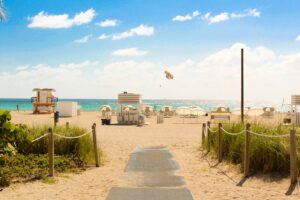
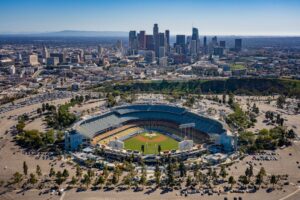

What permits do you need for an event in Miami or Fort Lauderdale? Planning across two counties gets easier once you know who to ask. We’ll walk through what actually needs a permit and what doesn’t, then sort out which office handles it: the City of Miami, Miami-Dade Parks, Fort Lauderdale Parks, or Broward County.
From there, we’ll cover the rules worth planning around in each city, what alcohol adds on top, and the questions to ask before you book. With the right office and a little lead time, you’ll be ready to plan a smooth Miami or Fort Lauderdale event.
- What Needs a Permit in Miami and Fort Lauderdale, and What Doesn’t
- The City of Miami, Miami-Dade Parks, Fort Lauderdale Parks, and Broward County
- Miami-Dade Park Rules for Rentals
- City of Miami Rules Worth Planning Around
- Planning Something in Fort Lauderdale?
- Alcohol Beyond the Local Rules
- What to Ask Before You Book
- The Offices That Issue Permits Here
- Plan Your Miami or Fort Lauderdale Event With the Right Permits
What Needs a Permit in Miami and Fort Lauderdale, and What Doesn’t
Take a cooler and some chairs to a park for the afternoon and you are using it like anybody else.
You move into permit territory when your gathering starts to look like an event. In the City of Miami that covers entertainment and music, sales of merchandise or food or alcohol, temporary structures, and anything needing city services beyond the ordinary, among the things the code names. The code is blunt about it: holding a special event without an approved permit first is unlawful.
Elsewhere, the triggers are familiar ones. Reserving a space for your exclusive use will start a conversation. So will serving alcohol. The same goes for amplified sound, a structure on the site, or a street closure.
The City of Miami, Miami-Dade Parks, Fort Lauderdale Parks, and Broward County
Start with who owns the ground, then which government sits above it.
The City of Miami issues its special event permit through the City Manager or a designee, and it covers public land, private land, or both together.
Miami-Dade Parks, Recreation and Open Spaces runs the county’s parks and has its own codified rules, separate from any city’s.
Fort Lauderdale Parks and Recreation runs that city’s parks and its beach facilities. Its block party process sits there too, its rules are its own, and a Miami answer will not transfer.
Broward County handles the building-permit side of special events on its patch, which is where temporary structures come in.

Miami-Dade Park Rules for Rentals
The county’s rules are codified and numbered, and a few of them decide what you can bring or who you can hire.
- Only licensed concessionaires may sell. The county’s vending rule reserves merchandising and peddling to concessionaires permitted by and acting under the authority of the parks department. If your plan involves a vendor selling anything on county parkland, settle that with the department before you book one.
- Fires belong in a container. No fire may be lit on the ground, on the beach, or on any other object, other than in an approved grill, stove, fireplace or similar, and whoever starts it has to put it out before leaving.
- Noise is governed by county code. The rules bar excessive, unnecessary noise in parks and apply the county code’s noise chapters throughout park areas, so amplified music is a question for the department instead of a judgment call on the day.
- Alcohol at a county park event is limited to beer and wine; the department decides whether alcohol suits your event at all, and a temporary state permit comes into play when alcohol is served.
- Intoxication ends the day. Staff refuse entry to anyone under the influence and remove them if they’re already inside.
The full rules list is longer and numbered, so read it once before you finalize anything.
City of Miami Rules Worth Planning Around
- Outdoor music runs between 7 a.m. and 11 p.m. on city property, with Historic Virginia Key Beach treated separately. Build your timings inside that.
- Events have duration caps. A run on private property is limited both in consecutive days and in how many you may hold in a year, and an organization gets a capped number of days a year on city property. If you are planning a repeating series, check the caps early.
- Tents move up a tier above a certain size. Below it an affidavit covers you; above it a fire safety permit comes in. Anything larger than a basic 10×10 pop-up is worth checking before you book.
- Alcohol needs the license and the permit noted. Serving or selling brings the state license into it, and park events carry their own notation.

Planning Something in Fort Lauderdale?
Fort Lauderdale runs its own parks, its own beach rules and its own outdoor event permit, and those rules are stricter in places than the county’s. We couldn’t read the city’s pages directly while preparing this, so the honest advice is to go to the source instead of repeating something secondhand.
Start with Fort Lauderdale Parks and Recreation for anything in a city park or on a city beach, and ask specifically about amplified sound and alcohol, because both appear to require a higher level of approval than a simple booking. For temporary tents and structures, Broward County is the building-permit route.
Alcohol Beyond the Local Rules
Florida hands out temporary permits to a narrow set of applicants: bona fide nonprofit civic or charitable organizations, municipalities, and counties, for a short run of days.
An individual host is outside that set. If you’re selling drinks, the license belongs to someone else, so agree at booking who is pouring and whose paperwork covers it. That decision also settles who carries the insurance.
What to Ask Before You Book
- Is my site city land or county land, and which set of rules applies?
- Does my event need a permit even though it is on private property?
- Are my hours inside the music window?
- Can I hire the vendor I want, or does the department have to approve who sells?
- What size does my tent have to stay under to avoid the next permit tier?
- Who holds the alcohol license, and what insurance goes with it?
- If someone is cooking: where may the fire be lit, and what does my caterer need?

The Offices That Issue Permits Here
- City of Miami: the special event permit, through the special event permit page.
- Miami-Dade Parks, Recreation and Open Spaces: county parkland. The rules and regulations page carries the numbered rules; facility reservation and permits cover bookings, and there is a dedicated parks special events permit. The department’s main page links the rest.
- Fort Lauderdale Parks and Recreation: city parks, beaches and block parties. Go to the department directly for its rules on sound and alcohol.
- Broward County: permits for special events, including structures.
Our guide to wedding venues in Miami has details on each space, and the Miami rental pricing guide helps you plan your budget.
Plan Your Miami or Fort Lauderdale Event With the Right Permits
To start your planning process, ask these two questions to figure out if you need a permit:
- Whose ground you are on, and
- Is your gathering considered an event?
Answer those and the right desk follows, and in the City of Miami answer the second one honestly, because the permit does not stop at the property line.
Once you have permission, Reventals makes the rest simple. You can browse quality canopies, seating, tables and linens across South Florida and submit your rental request in one place, while our team works behind the scenes to keep the process smooth.