Philadelphia’s event calendar runs on things most outsiders don’t expect: a parade older than most American holidays, sports tailgates that shape the fall social calendar, and a venue map split between the city and the countryside, an hour outside it.
In this blog, we’ll walk through all three, plus the weather windows and lead times that actually decide whether you get the venue and vendors you want.
- The Mummers Parade: A 120-Year Tradition
- Weather and Timing in Philadelphia
- Venues in Philadelphia
- How Far Ahead to Book in Philadelphia
- Choosing Between City and Countryside Venues in Philadelphia
- Permits and Regulations in Philadelphia
- Need Party Rentals in Philadelphia?
The Mummers Parade: A 120-Year Tradition
Every January 1, more than 10,000 costumed participants march down Broad Street from City Hall to Washington Avenue, and hundreds of thousands of spectators line the route to watch them do it. The Mummers Parade has run every year since 1901, and it’s been cancelled only three times in that entire span: the 1919 flu pandemic, the 1934 Depression, and the 2021 COVID shutdown.
That kind of streak says something real about how central this event is to Philadelphia’s identity, closer to a fixture the whole city plans around than a niche local curiosity. For your own planning, treat it as a certainty, not a maybe. If your event falls on or near January 1 and touches the Broad Street corridor between City Hall and Washington Avenue, expect the parade to happen, expect the crowds, and expect real street closures.
Build guest arrival and departure times around the parade route and schedule rather than hoping for a quiet holiday. If you’re hosting a New Year’s Day brunch or gathering anywhere downtown, give your guests a heads-up about the closures ahead of time. A quick note in the invite saves everyone a confusing detour on the day of.

Weather and Timing in Philadelphia
Philadelphia runs on four real seasons, and outdoor events work best from May through September, with fall carrying the edge.
Summer (June–August) brings heat index readings of 87 to 95°F with heavy humidity, workable for an evening event but rough for anything outdoors at midday. If your date lands in summer, push the schedule later in the day and lean on shade and cold drinks rather than fighting the humidity head-on. Spring (April–May) is more of a gamble: May is pleasant and reliable, but April can turn cold and rainy with little warning, so a spring date needs a real backup plan more than a summer one does.
Fall is the sweet spot, and September specifically comes close to ideal: warm days, cool nights, and lower humidity than in summer. October is still workable early on but gets noticeably colder as the month goes on, so an outdoor event scheduled for late October should have a heated indoor fallback ready. Winter (November–March) brings real cold and significant snow, and outdoor events during this stretch just don’t work; plan indoors instead.
One more thing worth building into any late-summer date: late August and September occasionally bring nor’easters or remnants of tropical storms moving up the coast, a real but smaller-scale risk compared to the Gulf Coast hurricane season. If your date falls in this window, keep a backup indoor plan or a flexible reschedule policy in your back pocket rather than assuming clear skies.
Venues in Philadelphia
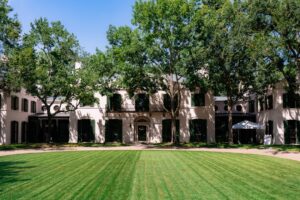
Philadelphia’s venue scene has real range. The Fairmount Park Horticulture Center offers a greenhouse-and-garden setting inside one of the largest urban park systems in the country, a strong pick if you want an outdoor feel without leaving the city. Glen Foerd, a historic riverfront estate, works well for a wedding or milestone event that wants some real architectural character. The Dell Music Center is built for a bigger, show-style event with a stage and real production capability behind it.
If you want a classic ballroom, the Crystal Tea Room and the Ballroom at the Ben both deliver the kind of grand, formal space that suits a black-tie wedding or a gala. Between these five, you’ve got everything from open-air garden settings to full production stages to old-school ballroom elegance.
Start with your guest count and formality level, then match it to one of these before you widen the search. A garden setting like Fairmount Park Horticulture Center caps out well below a ballroom’s capacity, while the Crystal Tea Room and the Ballroom at the Ben can absorb a much bigger, more formal guest list.
How Far Ahead to Book in Philadelphia
Outside Philadelphia’s peak windows, a normal lead time works fine for most vendors and venues; two to three months ahead is usually plenty. Inside them, you need to move earlier than you’d think.
May is one of the tightest months of the year here, because Temple, Penn, Drexel, La Salle, and several other major universities all hold commencement within a few weeks of each other. Every hotel room, restaurant private room, and event space near a campus fills up fast, so if your date falls in May, start booking as early in the year as you can, ideally six months to a year out if your venue is anywhere near a campus.
June through September is the primary outdoor season, and September through October adds a second wave of demand as fall weddings and outdoor events compete for the same venues and vendors. Booking a September date means competing with both the tail end of summer demand and the front end of wedding season, so don’t wait until spring to lock in a fall venue.
December fills up fast with holiday parties, corporate and personal both, so treat it the same way: book months out, not weeks. Companies that host an annual holiday party in Center City often lock in their venue over the summer, well before anyone’s thinking about December, and that early-bird pattern is exactly why last-minute December bookings run so thin.
And if your date lands anywhere near a potential Eagles playoff run, build in extra flexibility. Nobody can predict the exact weekend, but when it happens, watch-party demand spikes on short notice and can put last-minute pressure on a venue or vendor you were counting on.
Choosing Between City and Countryside Venues in Philadelphia
Philadelphia’s venue map really splits two ways: stay in the urban core, or head out to the surrounding counties. If your guest list is mostly local and would rather skip a 40-minute drive each way, stay in the city. If the scenery is the point and you’re willing to ask guests to travel, the countryside venues are worth it.
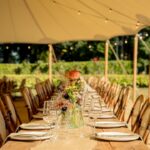
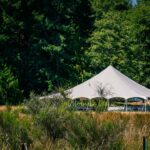
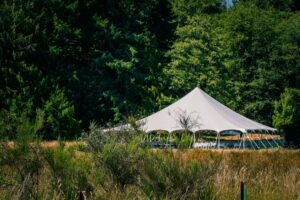
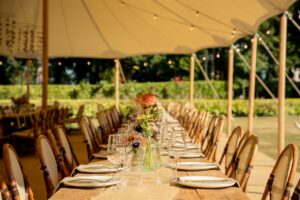
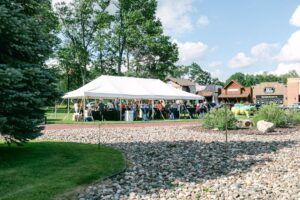
A vineyard or estate setting is also almost always an outdoor or partially outdoor one, and a rented tent or canopy over the reception area is standard here, both for shade during a summer or fall afternoon and as a backup if the weather doesn’t cooperate.
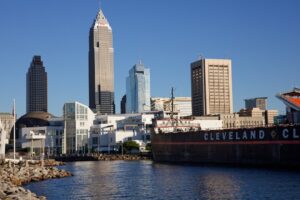
Staying in the city trades some of that scenery for convenience. Penn’s Landing and the Delaware River waterfront give you a real skyline backdrop without asking anyone to leave downtown.
If you do go the countryside route, plan for parking and transportation as its own planning situation. Many wineries and estates have limited on-site parking, and a rented shuttle or a block of rideshare credit for guests covers the gap between the parking lot and the ceremony without anyone standing around waiting. Guests unfamiliar with Bucks or Chester County also appreciate a clear map and drive-time estimate in the invitation itself, not just a pin dropped on a website.

Permits and Regulations in Philadelphia
Philadelphia’s permitting landscape touches four different offices depending on where your event lands and what it involves: city parks, city building inspections, state alcohol licensing, and, in one specific pocket of downtown, the federal government. None of these are things to figure out the week before your event.
Fairmount Park and Philadelphia Parks & Recreation Permits
Fairmount Park operates on a permit system, and Philadelphia Parks & Recreation requires a Special Event Permit once your gathering reaches 50 people at one location. A birthday picnic for a dozen people doesn’t need paperwork.
A 75-person reunion, reception, or company outing does, and that permit is what protects your reserved spot from being double-booked by another group with the same idea. If your headcount is anywhere near that line, apply early and confirm your exact space and time in writing, rather than assuming a popular spot like the Horticulture Center grounds will be open when you show up.
Tent Permits Through Licenses & Inspections
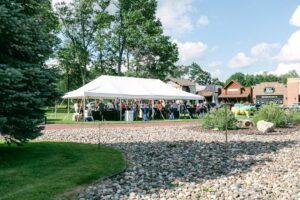
Planning to rent a tent for an outdoor Philadelphia event? Anything over 400 square feet needs a permit from the Department of Licenses and Inspections, and there’s a step before that: you’ll need a Streets Closure Permit from the Department of Streets first if the tent affects a public way.
L&I reviews applications within five business days and charges $100 per tent ($200 for weekend or after-4-p.m. setups), then sends an inspector out once the tent is actually up to confirm it’s fire-safe. Build that review window into your setup timeline. A tent that shows up the morning of your event with no permit in hand is a problem nobody wants to solve on-site.
Alcohol at Events: PA Liquor Control Board
If your event is serving alcohol and qualifies as a special occasion under state rules, such as a fundraiser, festival, or community gathering, you’ll need a permit from the Pennsylvania Liquor Control Board. First-time applicants need to submit at least 30 days before the event; if you’ve held a special occasion permit before, that window shrinks to 10 business days. Either way, you’re also required to notify local police at least 48 hours ahead of time. This is a state process, not a city one, so don’t expect your venue’s city paperwork to cover it.
Independence Hall Area: National Park Service Jurisdiction
Here’s something worth knowing before you assume the standard city process applies everywhere: the area around Independence Hall falls under National Park Service jurisdiction, not the city’s.
Events, public assemblies, and gatherings in that stretch of Independence National Historical Park go through the NPS’s own special-use permit process rather than Philadelphia Parks & Recreation. If your event footprint touches that part of downtown, check with the park directly rather than assuming your city permit covers you there too.

Need Party Rentals in Philadelphia?
Philadelphia rewards planning around what actually happens here: the Mummers Parade on Broad Street, a sports calendar that swings from predictable tailgates to unpredictable playoff runs, and a venue map split between the city and the countryside beyond it. Once you’ve picked your season and venue, browse party rentals on Reventals to line up the tents, tables, and lighting your Philadelphia event needs.