


Promoting an event online is often the difference between a full guest list and a half-empty space. If you’re wondering how to promote an event online, the answer goes beyond a few social posts or a last-minute reminder. The most successful events build momentum before they happen, stay visible while they’re live, and continue to generate interest after they end.
In this guide, we’ll break down exactly how to promote your event online before, during, and after so you can increase attendance and make each event easier to fill than the last.
Before the Event: Build Awareness and Give People a Reason to Show Up
Before your event even begins, your success is already being decided. If people don’t see your event—or don’t feel a strong reason to attend—they won’t show up, no matter how well you plan it. This stage is where you build visibility, create interest, and give people a clear picture of what they’ll experience. When done right, your promotion doesn’t feel like an ask—it feels like something people don’t want to miss.
Come Up With Your Events’ Main Attraction
Before you start promoting your event, you need a clear answer to one question: why should someone show up?
No matter the event type, the goal is the same: give people something they can quickly understand and get excited about. When your event is easy to picture, it becomes much easier to promote.
Here are a few ways to shape your hook based on the type of event you’re hosting:
Family-Friendly Events
Focus on fun, movement, and activities that keep kids engaged.
- Lawn games like cornhole, giant Jenga, or ring toss
- Bounce houses or activity stations
- Water slides, fun snacks
- Face painting
Corporate Events
Focus on creating a professional experience that feels engaging, intentional, and worth attending, not just another meeting or networking mixer.
- Promote in a speaker, panel, or industry expert that people genuinely want to hear from
- Build the event around a clear theme or purpose
- Create structured networking opportunities instead of leaving interaction to chance
- Add interactive elements like team competitions, live demos, workshops, or collaborative activities
- Set up photo booths or branded backdrops for social sharing and networking moments
- Offer food, drinks, or entertainment that elevate the experience beyond a standard corporate gathering
Backyard Parties or Social Gatherings
Focus on creating moments people can look forward to before the event even happens. The goal is to promote experiences guests can immediately picture themselves enjoying.
- Promote a themed setup people can dress for or participate in (white party, backyard movie night, tropical luau, country night, etc.)
- Tease a signature food or drink experience like a taco bar, cocktail station, pizza oven, or late-night snack table
- Highlight entertainment ahead of time, like a karaoke setup, or an outdoor movie screen
- Build anticipation around competitive activities like cornhole tournaments, beer pong brackets, or trivia
Create Content for Social Media
Once you’ve defined your event’s hook, the next step is making sure people can see it. Telling people your event will be fun or well-planned isn’t enough; your content needs to show what the experience will actually look like. The more clearly people can picture themselves there, the more likely they are to attend.
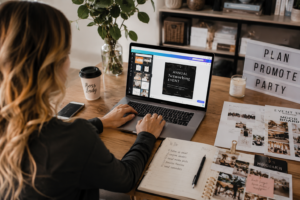
Design Simple, Clear Graphics for Social Media
You don’t need a designer to make clean, effective event promos.
- Create a main event graphic with: Event name, date and time, and location
- Make 2–3 variations for repeat posting
Canva is a great resource for creating quick social media posts to advertise your event.
Make Your Content Easy to Share
The more your content gets shared, the more your event grows without extra effort.
- Keep visuals clean and readable
- Add clear calls to action (“Invite a friend,” “Save this”)
- Focus on moments people would want to bring others to
Post Consistently In The Weeks Before Your Event
One of the biggest mistakes in event promotion is treating it like a single announcement. You post once, maybe twice, and hope people see it. In reality, most people won’t even notice your event the first time it appears in their feed.
Effective promotion is about repetition over time. The more consistently people see your event, the more familiar and relevant it becomes—and the more likely they are to attend.
Instead of trying to create new content every time, focus on showing up regularly with variations of the same message:
- 2–3 weeks before: Announce the event and share your main graphic
- 1–2 weeks before: Highlight what makes the event worth attending (activities, setup, experience)
- Final week: Post reminders, “what to expect,” and quick videos
- Day before or day of: Last call + real-time updates
You don’t need a large volume of content; you need consistent visibility. Reusing and resharing your best content is often more effective than constantly creating something new.
2. During the Event: Turn Attention Into Real-Time Promotion
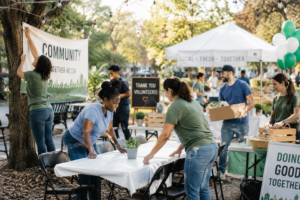
Once your event is live, promotion shouldn’t stop. This is your opportunity to turn attendees into promoters and create real-time visibility that reaches people who didn’t plan to come.
When your event is active, engaging, and easy to share, it can continue to attract attention as it happens and even drive last-minute attendance.
Capture the Energy in Real Time
One of the biggest advantages of live events is that people trust real moments more than polished ads. When attendees see others enjoying your event in real time, it creates instant social proof.
Focus on capturing:
- Crowds interacting and participating
- Busy activity stations or games
- Guests laughing, dancing, or engaging naturally
- Food, rentals, lighting, or standout setups
- Wide shots that show the atmosphere and energy
You don’t need professional production—quick phone clips often perform better because they feel authentic and immediate.
Post Throughout the Event
Most businesses wait until after the event to share content, but live posting helps your event feel active and relevant in real time.
Use:
- Instagram Stories
- Facebook Stories
- TikTok clips
- Short Reels
- Quick behind-the-scenes updates
Keep captions simple and timely:
- “Happening right now”
- “Still time to stop by”
- “This setup came out incredible”
- “The crowd showed up today”
These posts create a sense of urgency and make people feel like they’re missing out if they aren’t there.
Encourage Guests to Share Content
Your attendees are one of your best marketing tools. The easier you make it for people to take photos and post content, the more reach your event gains organically.
Ways to encourage sharing:
- Create photo-friendly areas or backdrops
- Use eye-catching rentals or setups
- Add signage with your event hashtag or social handle
- Run giveaways tied to tagging or posting
- Use interactive activities people naturally film
When guests post their own content, your event instantly reaches new audiences without additional ad spend.
Engage With Attendees Online
If people are tagging your business or posting from the event, interact with them while the event is happening.
- Repost attendee Stories
- Reply to comments quickly
- Share guest content to your page
- Thank vendors or collaborators publicly
This keeps momentum high and encourages more people to participate online.
3. After the Event: Keep the Momentum Going
Many event organizers stop promoting the moment the event ends—but some of the most valuable marketing happens afterward. Post-event content helps you extend the life of your event, build credibility, and make future events easier to promote.
Share Recap Content Quickly
People are most excited about your event immediately after it ends, so don’t wait too long to post.
Share:
- Highlight videos
- Photo galleries
- Before-and-after setup clips
- Crowd shots
- Vendor or sponsor shoutouts
- Guest reactions or testimonials
A strong recap helps future attendees visualize what they missed and builds anticipation for your next event.
Turn Event Content Into Future Marketing
One successful event can generate weeks of future content if you reuse it strategically.
Repurpose:
- Videos into Reels or TikToks
- Photos into carousel posts
- Testimonials into graphics
- Setup footage into promotional clips
- Crowd reactions into ads
This makes it easier to promote future events because you’re no longer selling an idea; you’re showing proof.
Collect Reviews and Feedback
Positive reviews build trust and help future attendees feel more confident about showing up.
After the event:
- Ask attendees to leave reviews
- Request feedback from vendors or sponsors
- Share positive comments on social media
- Save testimonials for future promotions
Even a few authentic reactions can strengthen future marketing.
Stay Visible Between Events
The best event promotion strategies don’t disappear after one event ends. Continue posting behind-the-scenes content, setup clips, planning updates, or throwback moments to keep your audience engaged year-round.
The more consistently people see your brand associated with successful events, the easier it becomes to attract attention for the next one.
Final Thoughts
Learning how to promote an event online is really about building momentum before, during, and after the event itself. The most successful events stay visible at every stage—they create anticipation beforehand, generate excitement in real time, and continue delivering value long after the event ends.
When you focus on consistency, shareable experiences, and content that helps people picture themselves attending, promoting your event becomes much easier—and every event helps grow the next one.