








What is a Host Bar?
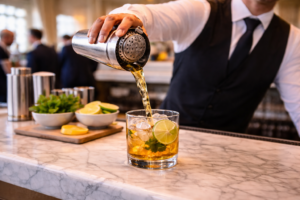
A host bar means the event host pays for the drinks guests order. Instead of a flat fee, the venue charges based on actual consumption.
Venues track usage in a few ways. Some charge per drink and tally each order throughout the event. Others track by the bottle, check what remains at the end of the night, and calculate the total from there.
A host bar works well when guests are unlikely to drink heavily because you pay only for what they order. Still, costs can rise if guests start drinks they don’t finish or order more than they need.
For that reason, host bars often make more sense for corporate events or professional gatherings. Weddings and social celebrations usually drive higher drink volume, making costs less predictable.
What is an Open Bar?
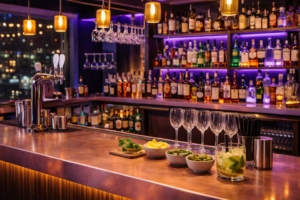
An open bar means the host pays a flat hourly rate for a set period of time, plus any bartender fees. During that window, guests can order unlimited drinks without paying themselves.
The host typically chooses the drink selection, including specific wines, beers, and liquors. Upgrading to top-shelf options increases the hourly rate, but you know the cost upfront. That predictability makes budgeting easier and eliminates end-of-night surprises.
An open bar often feels generous and guest-friendly. However, it isn’t always the most cost-effective choice. If your crowd doesn’t drink much, you may end up paying for more than guests actually consume.
Before choosing this option, estimate how long the event will last and how likely your guests are to take full advantage of unlimited service.

What is a Cash Bar?
A cash bar means guests pay for their own drinks. The host covers the space and service, but each guest purchases beverages individually, just like they would at a regular bar.
Venues typically handle the transactions directly and set drink prices in advance. This structure gives the host the most predictable alcohol cost because you’re not responsible for what guests order.
A cash bar works well for fundraisers, large community events, or casual gatherings where guests expect to pay their own way. However, it can feel less formal or less generous at weddings or upscale celebrations, where guests often assume drinks are included.
Before choosing a cash bar, consider your audience. If your guest list expects a hosted experience, you may want to explore a hybrid option, such as drink tickets or a hosted beer-and-wine-only setup.

What is a Combination Bar?
If a full open bar feels too expensive and a cash bar feels too restrictive, a combination approach can offer balance.
Many events use hybrid setups to control costs while still creating a generous guest experience.
Common Combination Options
Host Beer & Wine Only: Cover beer and wine, and allow guests to purchase liquor separately. This keeps costs predictable while still offering hosted drinks.
Drink Tickets: Provide each guest with one or two complimentary drink tickets. After that, drinks move to cash. This sets a clear spending limit from the start.
Open Bar For A Limited Time: Offer a full open bar during cocktail hour, then switch to beer and wine only, or to a cash bar, for the remainder of the event.
Signature Cocktail + Cash Bar: Host one or two signature drinks while keeping the rest of the bar available for purchase.
Combination bars work especially well for large guest lists, fundraisers, corporate events, and budget-conscious weddings
Things to Consider When Choosing a Bar for Your Event
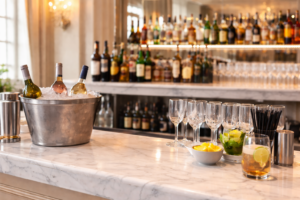
The right choice depends on four things: the atmosphere you want to create, how much your guests are likely to drink, what your budget allows, and what your venue requires.
Here’s a breakdown of how to make this decision for your event!
1. Decide The Experience You Want To Create
Start with the tone of your event.
A formal wedding, milestone celebration, or fundraising gala often carries an expectation that drinks are hosted. In those settings, asking guests to pay can feel out of place and shift the mood.
A corporate mixer, networking event, or casual gathering may allow more flexibility. In some industries or regions, a cash bar feels normal. In others, it does not.
Ask yourself:
-
Is hospitality part of the statement you want to make?
-
Will guests expect drinks to be included?
-
Does serving alcohol at all align with the event’s purpose?
Your bar setup should reinforce the experience you want to create, not distract from it. Once you’re clear on that, the financial decision becomes easier to navigate.
2. Estimate How Much Your Guests Will Actually Drink
This is where budget reality meets guest behavior.
Start with your audience. Are most guests light drinkers, or do they typically enjoy multiple rounds? Be honest here. Optimistic estimates lead to expensive surprises.
Next, consider the structure of your event.
Guests tend to drink:
-
More in the evening than in the morning or afternoon
-
More at cocktail-style events than at seated dinners
-
More in warm weather than in colder months
Food matters too. A full sit-down meal often slows alcohol consumption. Passed appetizers and open mingling usually increase it.
If you anticipate moderate to heavy drinking, an open bar with a flat hourly rate may offer more predictable pricing. If consumption will likely stay low, a host bar can keep costs contained.
The goal is not to guess what people might drink. The goal is to estimate what they realistically will drink.
3. Understand Venue Rules And Liability Requirements
Before you finalize any bar decision, confirm what your venue actually allows.
Some venues do not permit cash bars because of licensing restrictions. Others require you to use their in-house bar service and prohibit outside alcohol entirely. In many cases, the venue’s liquor license will limit your options.
Most venues also require alcohol to be served by a certified professional. TIPS-certified bartenders monitor consumption, check identification, and stop serving guests who show signs of intoxication. These policies protect both the venue and the host from legal and financial risk.
You may not be allowed to:
-
Bring your own alcohol without approval
-
Let guests serve themselves
-
Hire an uncertified bartender
Do not assume flexibility. Ask early, get the rules in writing, and factor those requirements into your budget.
Sometimes the venue makes the decision for you. Knowing the boundaries upfront prevents costly changes later.
4. Compare The Real Costs
Once you understand your guest expectations, likely consumption, and venue rules and regulations, run the math.
Ask your venue to provide estimates for both a host bar and an open bar based on your guest count and event length. Seeing the numbers side by side often makes the decision clearer.
Pay attention to:
-
Per-drink pricing versus hourly rates
-
Bartender fees or minimums
-
Upcharges for top-shelf liquor
-
Service fees and gratuity
If your venue allows you to provide your own alcohol, that can lower costs significantly. Many venues mark up alcohol, so buying it yourself and hiring a licensed bartender may save money. Just remember that you’ll need to provide mixers, glassware, ice, and other bar essentials.
To find a bartender, you can:
-
Use event staffing platforms to compare local professionals and rates
-
Ask your venue or planner for trusted recommendations
Before booking, confirm that the bartender holds the required certifications and insurance, especially if your venue requires TIPS-certified service.