


Planning an outdoor event in Dallas during the summer requires more than a date and a venue. Heat in North Texas regularly climbs into the mid-90s and above, with heat index levels that can push conditions into unsafe territory by early afternoon. Concrete surfaces radiate warmth, shade disappears quickly, and guest comfort can shift fast.
In Dallas, heat is not just an inconvenience. It affects attendance, food safety, equipment performance, and liability.
This guide breaks down how to plan a heat-safe outdoor event in Dallas, including timing strategies, shade planning, cooling solutions, and practical safety measures to protect your guests, staff, and vendors.
- Why Heat Safety Matters More in Dallas
- Choosing the Right Time of Day
- How to Keep Guests Safe During High Heat
- Food Safety in Dallas Heat
- Heat Safety for Kids & Inflatables in Dallas
- How to Spot Heat Exhaustion & What to Do
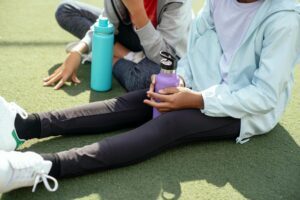
Why Heat Safety Matters More in Dallas Than Most Cities
Dallas summers are long and intense. From June through early September, daytime temperatures routinely reach the mid-90s and often climb above 100 degrees. When humidity is factored in, the heat index can make it feel significantly hotter, especially during the peak afternoon hours.
Unlike milder climates, outdoor events in North Texas are often held on concrete, turf, parking lots, and open fields. These surfaces absorb and radiate heat throughout the day, raising ground-level temperatures well beyond the air temperature. That affects guests standing in lines, children playing on inflatables, and staff working on setup and breakdown.
Heat in Dallas also builds quickly. An event that feels manageable at 10 a.m. can become uncomfortable or unsafe by 1 p.m. Without adequate shade, airflow, and hydration planning, guest fatigue sets in fast. Attendance drops, vendors struggle, and medical risks increase.
Certain groups face higher risk:
-
Young children
-
Seniors
-
Pregnant guests
-
Outdoor staff and volunteers
-
Anyone standing in direct sun for extended periods
In Dallas, heat safety is not about comfort upgrades. It is about protecting people and protecting your event from preventable problems. Planning with heat in mind from the beginning will influence your event timing, layout, equipment, and staffing decisions.
Great. This is the most important decision in Dallas summer planning, so we’ll keep it clear and direct.
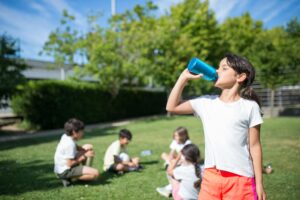
Choosing the Right Time of Day (This Is Your Biggest Decision)
In Dallas, timing can determine whether your outdoor event feels enjoyable or exhausting.
Air temperature is only part of the equation. Direct sun exposure, ground heat, and humidity make midday conditions far more intense than the thermometer suggests. The same venue can feel completely different depending on the start time.
Early Morning: 7:30 AM – 10:30 AM
This is one of the safest windows for outdoor events during peak summer. Temperatures are lower, surfaces have not fully absorbed heat, and guests are more comfortable moving around.
This window works well for:
-
5Ks or fun runs
-
Church events
-
Community fitness gatherings
Evening: After 7:00 PM
Once the sun drops, conditions improve quickly. Evening events are often the most comfortable option in July and August.
This window works well for:
-
Concerts and community events
High-Risk Window: 1:00 PM – 6:00 PM
This is the most challenging time to host an outdoor event in Dallas during the summer.
By early afternoon:
-
Surfaces are fully heated
-
Shade areas shrink
-
Heat index peaks
-
Guest fatigue increases
If you must schedule during this window, you will need significantly more shade, cooling equipment, hydration planning, and staff oversight.
How to Keep Guests Safe During High Heat
Sometimes the time is not flexible. School schedules, corporate calendars, and vendor availability can force events into the hottest part of the day.
If your event falls between 1:00 PM and 6:00 PM in a Dallas summer, heat planning needs to move from “consideration” to “requirement.”
Here’s what that means.
1. Double the Shade You Think You Need
Midday sun is direct and relentless. Shade should cover:
-
Seating areas
-
Food and beverage stations
-
Lines and check-in areas
-
Children’s activity zones
-
Staff work areas
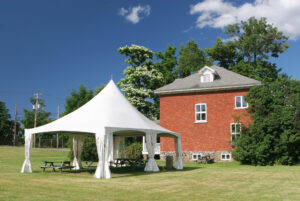
Tents should be sized to accommodate more than just tables. Guests naturally migrate toward shade, creating crowding when coverage is limited. Open-sided tents often allow better airflow than fully enclosed structures during extreme heat.
2. Add Active Cooling, Not Just Air Movement
Standard fans move hot air. In peak heat, that is not enough.
Midday events typically require:
-
Industrial fans for airflow
-
Misting fans or evaporative coolers
-
Backup power for cooling equipment
Cooling equipment should be placed strategically near seating, high-traffic areas, and children’s spaces.
3. Build Hydration Into the Layout
Water should be visible and readily accessible. Not hidden near catering.
Plan for:
-
Multiple water stations
-
Ice replenishment throughout the event
-
Electrolyte options
-
Clear signage directing guests to hydration areas
If guests must stand in direct sunlight to access water, the layout needs to be adjusted.
4. Rotate Staff and Monitor Activity Areas
Staff and volunteers are often exposed longer than guests.
Midday events should include:
-
Scheduled cooling breaks
-
Covered rest areas
-
Monitoring of inflatables and play surfaces
-
Clear protocol if someone shows signs of heat exhaustion
Food Safety in the Dallas Heat
In Dallas, during the summer, food safety becomes a timing issue, not just a catering detail.
When air temperatures are in the mid-90s or higher, food can quickly enter the “danger zone” (40°F–140°F). Direct sun exposure, hot serving tables, and long buffet lines accelerate the risk.
If you are serving food outdoors during peak heat, planning needs to account for more than just menu selection.
Choose Heat-Smart Menu Options
In Dallas summer heat, your menu should work with the weather, not against it.
Heat-Smart Options That Perform Well:
-
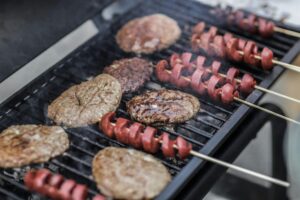
Grilled proteins served fresh off the grill (chicken skewers, burgers, brisket sliders)
-
Taco or fajita stations with proteins held in insulated warmers
-
BBQ buffets with covered chafing dishes under shade
-
Individually boxed meals for schools or corporate lunches
-
Wrapped sandwiches and wraps stored in insulated coolers
-
Fruit cups or pre-portioned fruit skewers kept chilled
-
Popsicles or frozen treats for afternoon events
-
Iced tea, lemonade, and electrolyte beverage stations
These options reduce exposure time and allow caterers to rotate food in smaller batches instead of leaving full trays out in the heat.
Keep Food Out of Direct Sun
Food tables should never be left in direct sunlight.
Plan for:
-
Covered buffet lines
-
Tents over catering stations
-
Shaded prep areas
-
Separate shade for beverage stations
Even short exposure periods can raise food temperatures quickly on metal chafing dishes or plastic serving trays.
Heat Safety for Kids & Inflatables in Dallas
Children are more vulnerable to heat than adults. They overheat faster, dehydrate more quickly, and often fail to recognize early warning signs. When you combine high temperatures with physical activity, bounce houses, and direct sun, risk increases significantly.
If your Dallas event includes inflatables or outdoor kids’ zones, heat planning needs to be intentional.
Inflatables Heat Up Faster Than You Think
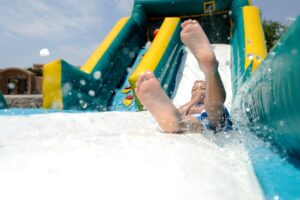
Bounce houses, slides, and obstacle courses absorb heat throughout the day. Dark vinyl surfaces can become extremely hot under direct sun, especially between 1:00 PM and 5:00 PM.
Before allowing use:
-
Check surface temperature with your hand. If it feels too hot for you, it is too hot for a child.
-
Ensure inflatables are positioned in shade whenever possible.
-
Avoid placing them directly on asphalt or concrete if possible, as these surfaces radiate additional heat.
Limit Continuous Play Time
In extreme heat, extended stays in a bounce house are unsafe.
Consider:
-
Time limits for each group
-
Structured rotations
-
Mandatory water breaks
-
Pauses during peak heat windows
Supervision should include active monitoring, not just line management.
Build a Shaded Cooling Zone for Kids
Do not rely on the inflatable itself as the activity hub.
Create a nearby shaded rest area with:
-
Seating
-
Water access
-
Fans or airflow
-
Cooling towels if possible
This gives kids a place to regulate body temperature between activities.
Recognizing Heat Exhaustion & When to Act
Even with strong planning, heat can quickly affect guests, staff, and vendors in Dallas summer conditions. Knowing the warning signs allows you to respond early before a situation escalates.
Heat exhaustion can develop after prolonged exposure to high temperatures, especially when combined with physical activity, dehydration, or direct sun.
Early Warning Signs
Watch for:
-
Heavy sweating
-
Dizziness or lightheadedness
-
Headache
-
Muscle cramps
-
Nausea
-
Fatigue or weakness
-
Pale or clammy skin
If someone reports “just not feeling right” in the heat, take it seriously.
Immediate Steps to Take
If you suspect heat exhaustion:
-
Move the person to a shaded or air-conditioned area immediately.
-
Have them sit or lie down.
-
Provide cool water or electrolyte fluids.
-
Use fans, cooling towels, or ice packs on the neck, underarms, and wrists.
-
Loosen tight clothing.
Do not return them to activity once symptoms improve. Continued exposure can worsen the condition.
When It Becomes an Emergency
Call for medical assistance if you notice:
-
Confusion or disorientation
-
Fainting
-
Vomiting
-
Rapid pulse
-
Very high body temperature
-
Symptoms that do not improve within 30 minutes
Heat stroke is a medical emergency. Quick action matters.
Build a Response Plan Before the Event
For larger events in Dallas heat:
-
Identify shaded first-aid areas in advance.
-
Ensure staff know who to contact in an emergency.
-
Keep water and cooling supplies accessible.
-
Monitor local heat advisories in the lead-up to the event.
A simple response plan protects your guests and reduces liability.
Where to Find Rentals for Dallas Events
In Dallas, summer events succeed when heat is part of the plan from the very beginning. Timing, shade, cooling, hydration, food protection, and safety monitoring are not secondary details. They are what protect your guests, your staff, and your event reputation.
The right equipment makes that planning easier. Adequate tent coverage, airflow solutions, cooling stations, shaded seating, and protected food service areas help keep outdoor events comfortable even as temperatures rise.
Whether you are organizing a school fundraiser, corporate gathering, church event, or neighborhood celebration, intentionally preparing for the Dallas heat turns a risky event into a well-run one.
Browse our wide variety of event rentals here!