
How To Plan a Corporate Event | Step-by-Step Guide

Planning a corporate event can seem like a big task, but with the right approach, it can also be a lot of fun and very rewarding. Whether you’re aiming to launch a new product, build team spirit, or connect with industry peers, a well-planned event can significantly benefit your business.

When you set out to plan a corporate event, you’re doing more than just organizing a gathering. You’re creating an opportunity to showcase your company’s values, drive engagement, and achieve specific business goals. The key is to start with a clear understanding of why you are hosting the event and what you hope to accomplish. This clarity will guide all your decisions, from choosing the venue to selecting the right activities.

In this guide, we’ll walk you through every step of the process, offering practical tips and insights to make your event successful and memorable. By the end of this guide, you’ll have all the tools you need to plan a corporate event that not only meets but exceeds expectations. So, let’s get started and make your next event a standout success!

1. Define the Purpose of Your Corporate Event

When you start to plan a corporate event, the very first step is to define its purpose. Understanding the “why” behind your event will guide every decision you make, from who you invite to what activities you plan. Here’s how to get clear on the purpose of your event:

Set Clear Objectives

Begin by asking yourself what you want to achieve with this event. Are you looking to generate new business leads, celebrate a company milestone, or perhaps communicate a change in company direction? Setting clear, measurable objectives will help ensure that every element of your event is aligned with your goals.

Consult with Stakeholders

It’s important to involve key stakeholders early in the planning process. These may include executives, marketing teams, and department heads who have a vested interest in the event’s success. Gathering their input can provide diverse perspectives and help refine your event’s objectives to better serve the company’s overall goals.

Choose the Right Type of Event

The purpose of your event will influence the type of event you choose to host. For example:

  • Networking events are great for building industry relationships.
  • Seminars and workshops can help position your company as a thought leader.
  • Appreciation events show gratitude towards employees or clients, boosting loyalty.

Establish Success Metrics

Finally, determine how you will measure the success of your event. If the goal is to generate leads, decide how many leads would make the event successful. For brand awareness, you might track social media mentions or the press coverage your event receives. Setting these metrics upfront will help you evaluate the event’s impact and learn lessons for future planning.

By defining the purpose of your corporate event right at the start, you’ll have a strong foundation to build upon. This clarity not only makes the planning process smoother but also ensures that the event effectively contributes to your company’s strategic goals.

networking event

2. Determine the Audience

Once you know why you’re hosting your corporate event, the next step is to figure out who will be coming. Understanding your audience is crucial because it helps you make decisions that will keep your guests interested and engaged throughout the event.

Start by gathering as much information as possible about the people you’re inviting. Are they industry professionals, company staff, or potential clients? Knowing their backgrounds, interests, and professional levels will help you tailor the event to suit their preferences.

To really get a good idea of who your attendees will be, create a few guest personas. These are profiles that describe the different types of guests you expect at your event. For example, one persona might be a young tech enthusiast, while another could be a seasoned executive. These personas help you think about what different guests might need and enjoy.

With your personas in mind, pick activities and themes that will catch their interest. If your guests are creative types, you might want workshops that let them try something new and hands-on. If they’re professionals looking for networking, set up speed networking sessions or panel discussions that allow them to share ideas and contact information easily.

A great way to make sure your event will meet your guests’ expectations is to ask them what they want! Send out a quick survey asking about their preferences for sessions, food, and entertainment. This not only helps you plan better but also makes your guests feel involved and valued.

marketing corporate event

3. How to Budget for Your Corporate Event

Setting a budget is a key step in planning your corporate event. A well-planned budget helps you understand what you can afford and ensures that you spend your money wisely. Here’s how to put together a budget that works for your event without breaking the bank.

List All Possible Costs

Start by writing down everything you might need to spend money on for your corporate event. This includes big things like the venue and catering, and smaller items like decorations and name tags. Don’t forget about hidden costs like insurance, permits, and emergency funds.

Prioritize What’s Important

Look at your list and decide what’s most important. If your main goal is networking, you might spend more on a great venue that makes people feel comfortable and encourages conversation. If it’s a workshop, maybe you’ll decide to invest more in high-quality speakers and materials.

Research and Compare Prices

Once you know what you need, shop around for the best prices. Get quotes from several vendors for each service. This can help you find good deals and might also give you bargaining power. Want to find out the easiest way to do this? Check out our ultimate guide to event planning where we explore Reventals, a free service that helps party planners and DIY enthusiasts alike find the best deals on rentals in their area. For most events, you will need:

Plan for Unexpected Costs

It’s wise to set aside some of your budget for surprises. Things don’t always go as planned, and having a little extra money set aside can help you deal with unexpected costs without stress.

Review and Adjust as You Go

As you start booking services and buying supplies, keep an eye on your budget. If you find you’re spending too much in one area, see if you can cut back in another. This might mean switching to less expensive options or deciding some features are not essential.

budget corporate event

4. Choose a Theme and Format for the Corporate Event

Choosing the right theme and format for your corporate event is essential. It sets the tone for the whole experience and helps make the event memorable and engaging. Here’s how to select a theme and decide on the best format for your event.

Choosing a Theme

Your theme should tie back to the purpose of your event. For instance, if you’re launching a new product, you might choose a futuristic theme to showcase innovation. If the event is to celebrate a company milestone, a “look back through the years” theme could be perfect. The theme helps unify all aspects of the event, from decorations to presentations.

Think about what themes will resonate with your guests. A younger tech-savvy crowd might enjoy a digital, interactive theme, while a more traditional business audience might prefer something classic and elegant. Knowing your audience helps you choose a theme that will excite and engage them.

Choosing a Format

Your event’s format should reflect both your objectives and your audience’s expectations. Here are a few options:

  • Workshops and Seminars: Best for educational purposes, helping guests gain new skills or knowledge.
  • Galas and Award Ceremonies: Suitable for celebration and recognition, offering a more formal setting.
  • Conferences: Ideal for larger gatherings that include speakers, breakout sessions, and networking opportunities.
  • Virtual Events: A good choice if you’re aiming for a wide reach without geographical constraints. These can include webinars or full-scale online conferences.

Make Your Corporate Event Interactive

Whatever theme or format you choose, find ways to make the event interactive. This could mean having live polls during sessions, Q&A segments, or hands-on activities related to the theme. Interaction keeps guests involved and makes the experience more memorable.

corporate event

5. Set a Timeline

Creating a detailed timeline is crucial when planning a corporate event. It helps you manage all the tasks that need to be done and ensures everything is ready on time. Here’s how to develop a timeline that keeps your event planning on track.

Start Early

Begin planning as early as possible. For large events, this might mean starting a year in advance, while smaller events might need at least three to six months. Starting early gives you enough time to handle unexpected challenges.

Break Planning Into Phases

Organize your timeline into clear phases:

  • Initial Planning: Define your event’s purpose, budget, and audience. Choose the theme and format.
  • Mid-Phase Planning: Book the venue, caterers, and other major suppliers. Start your marketing efforts to ensure attendees have time to plan their participation.
  • Final Preparations: Finalize details like seating arrangements, food menus, and technical setups. Confirm all bookings and create a run-of-show document that outlines the schedule for the event day.

Set Specific Milestones

Identify key milestones within each phase and set deadlines for them. These might include signing contracts, sending out invitations, and completing registration setups. Having specific milestones helps you track progress and prioritize tasks.

Set Aside Time for Review & Readjustments

Include time in your timeline for reviewing your plans and making necessary adjustments. This could be weekly team meetings or a larger review at the end of each planning phase. Regular reviews help catch issues early and keep the project on track.

Communicate the Timeline

Make sure everyone involved in the planning process knows the timeline. This includes your event planning team, vendors, speakers, and venue staff. Clear communication ensures everyone is aligned and working towards the same deadlines.

Tips for Organizing Your Timeline

  • Use Project Management Tools: Implement tools like Asana, Trello, or a detailed spreadsheet to manage tasks, assign responsibilities, and monitor deadlines.
  • Include Buffer Times: Add extra days into your timeline to handle unforeseen issues. This helps maintain flexibility and reduces stress.
  • Communicate Regularly: Keep open lines of communication with all stakeholders including team members, vendors, and venue managers to ensure everyone understands their roles and deadlines.
  • Plan for Contingencies: Have a detailed backup plan for critical elements like venue, technology, and catering. Knowing what to do in case something doesn’t go as planned will keep you prepared and reduce panic.

set a timeline

6. Choose the Perfect Location

Selecting the right venue is crucial for the success of your corporate event. It sets the atmosphere, influences the experience, and can even impact attendance. Here’s how to choose the perfect location for your event:

Assess Your Needs

Before you start looking at venues, clearly understand what your event requires:

  • Space: How many people are you expecting? Will you need breakout rooms for smaller sessions or workshops?
  • Facilities: Do you require high-tech AV equipment, reliable Wi-Fi, or specific staging needs?
  • Accessibility: Is the venue easily accessible for all attendees, including those with disabilities?
  • Atmosphere: Does the venue’s ambiance align with your event’s theme and purpose?

In general, choose a venue that’s centrally located and easy to reach by public transport or has ample parking if most attendees are local. If you’re expecting out-of-town guests, consider venues with nearby hotel options or those that offer on-site lodging.

Visit Potential Venues

Once you have a shortlist, visit each venue to get a sense of the space and discuss your needs with the venue manager. Check for:

  • Layout: Ensure the space fits your event’s flow and activities.
  • Facility Quality: Inspect the cleanliness and maintenance of the venue.’
  • Staff and Services: Evaluate the professionalism of the staff and the services provided. Good support can make a big difference in how smoothly your event runs.

Check Availability and Compare Costs

Make sure the venues are available on your preferred date(s). If your dates are flexible, ask if there are off-peak times when booking might be cheaper or easier. Then, get detailed quotes from each venue and compare them against your budget. Remember to check what’s included in the price to avoid unexpected costs later. Some venues offer package deals that might be more cost-effective.

Plan for Disaster

Even the best plans can face unexpected challenges. Check what the venue offers in terms of backup power, alternative indoor options for outdoor events, and other emergency contingencies.

corporate event venue

7. Handle the Logistics of Your Corporate Event

Managing the logistics of your corporate event is crucial to ensure everything runs smoothly on the day. This involves coordinating all the moving parts—from setup to breakdown. Here’s how to effectively plan and execute the logistics for your event:

Coordinate with Vendors

Effective communication with your vendors is key. Make sure everyone from caterers to AV technicians knows exactly what’s expected of them, including setup times, specific requirements, and the event schedule.

  • Scheduling: Confirm delivery and setup times with each vendor.
  • Point of Contact: Designate a team member to be the main point of contact for vendors on the event day.

Plan the Event Layout

Your event layout should include considerations for the following:

Traffic Flow

Managing how people move through your event space is crucial for avoiding congestion and ensuring that your event runs smoothly. Here are specific considerations for optimizing traffic flow:

  • Entry and Exit Points: Mark all entry and exit points. Make sure they are wide enough to handle peak traffic during the event, such as when sessions break or end.
  • Corridors and Aisles: Design your layout so that all corridors and aisles are wide and clear of obstructions. This facilitates easier movement and helps avoid bottlenecks.
  • Directional Flow: In larger venues, consider implementing a one-way system for foot traffic to streamline movement and reduce cross-traffic congestion.
  • Capacity Management: Be aware of each area’s capacity, including breakout rooms and dining areas. Manage these capacities by scheduling or using staff to direct guests during transitions.

Accessibility

Ensuring that your event is accessible to all attendees, including those with disabilities, is not only a legal requirement in many locations but also crucial for inclusivity:

  • Wheelchair Accessibility: Ensure that all areas are wheelchair accessible. This includes wide doorways, ramps where needed, and no steps or obstructions in the pathways.
  • Reserved Seating: Provide reserved seating near the front or in appropriate locations for guests with disabilities, ensuring they have a clear view and easy access.
  • Accessible Restrooms: Make sure there are accessible restrooms close to all main areas of the event. These should be clearly marked and easy to reach.
  • Assistance Services: Consider offering services such as sign language interpreters for hearing-impaired attendees or having guides available for visually impaired guests.

Signage

Effective signage helps attendees navigate the event space effortlessly and can significantly improve the guest experience:

  • Welcome Signs: Place large, easily visible welcome signs at all main entrances. These should direct attendees to the registration or check-in areas.
  • Directional Signage: Use clear and consistent signs to guide guests to various sections like the main event area, breakout rooms, restrooms, and dining areas. Arrows or maps on these signs can be very helpful.
  • Informational Signage: In addition to directional signs, provide informational signage outside each room that might include the event schedule, session topics, speaker names, and times.
  • Emergency Exits and Procedures: Mark emergency exits and provide signs detailing emergency procedures. These should be well-lit and visible from a distance..

Set Up a Check-In Process

A smooth check-in process is essential for setting a positive tone at the start of your corporate event. It’s the first interaction attendees have with the event itself, so ensuring it’s efficient and hassle-free is key. Here’s how you can make the check-in process as smooth as possible:

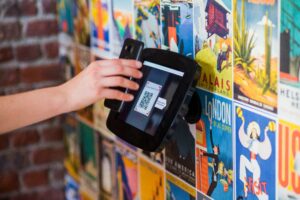
  • Pre-Registration: Encourage attendees to pre-register their details online before the event. This can include photo submissions for badges, meal preferences, and session choices, which can all be managed through an event app or website. Pre-registration cuts down on the amount of data entry required at the event itself.
  • QR Codes: Upon registration, provide attendees with QR codes that can be scanned upon arrival. This can be done through their confirmation email or a mobile app. The QR code quickly pulls up the attendee’s registration details, speeding up the check-in process significantly.

Plan for Emergencies

Always be prepared for unexpected situations:

  • Emergency Plans: Have a clear plan for emergencies, including medical issues or a venue evacuation.
  • First Aid: Ensure there is a first aid kit and that some staff members are trained in basic first aid.
check in process

8. Market Your Corporate Event

Effective marketing is crucial to attract attendees and ensure the success of your corporate event. Before you begin marketing, clearly define who your target audience is. Are they industry professionals, local business owners, or employees within your company? Understanding your audience helps tailor your marketing efforts to reach the right people effectively.

Select channels that best reach your target audience:

  • Email Marketing: Send targeted emails to your list with personalized invites, event details, and compelling reasons to attend.
  • Social Media: Use platforms like LinkedIn for professional networking events or Facebook and Instagram for broader public events. Regular posts, event pages, and targeted ads can increase visibility and engagement.
  • Content Marketing: Write blog posts or articles about the event topics, speaker previews, or interviews. This content can attract attendees by providing value and building interest.
  • Partnerships: Partner with industry organizations, media outlets, or influencers who can help promote your event to a wider or more targeted audience.

But a single post won’t be enough to grab attention and get people to register for your event.

Implement a Multi-Touch Campaign

A single announcement won’t be enough. Plan a series of communications leading up to the event:

  • Initial Announcement: Reveal the event with key attractions and speaker lineups.
  • Regular Updates: Share updates on speakers, sessions, or added entertainment to maintain interest.
  • Last Call: Send reminders as the event approaches, highlighting the registration deadline and the benefits of attending.

Monitor the performance of your marketing efforts through analytics tools to see what’s working and what isn’t. Look at registration numbers, website traffic, and engagement on social media. Use this data to tweak your strategies, improve engagement, and boost attendance as needed.

marketing corporate event

9. Engaging Strategies for a Memorable Corporate Event

Engaging your audience is key to hosting a successful corporate event. Here are strategies to ensure your attendees are not only present but actively involved and genuinely enjoying the experience.

Interactive Sessions

  • Workshops and Breakout Sessions: Provide hands-on workshops or interactive breakout sessions that allow attendees to engage actively with the material. This can include group discussions, live polling, or problem-solving exercises that are relevant to the event’s theme.
  • Q&A Segments: Incorporate Q&A segments into your presentations to encourage audience participation. This can be facilitated by moderators who field questions from the audience or through digital platforms where attendees can submit questions in real-time.

Technology Integration

Set up live social media feeds where posts tagged with your event’s hashtag are displayed. This encourages attendees to post about the event in real time and increases engagement both physically and online.

Networking Opportunities

  • Design structured networking sessions that help attendees connect based on their interests or industries. This can be facilitated through speed networking events or networking apps that match attendees based on their profiles.
  • Create spaces within the event venue where attendees can relax and talk in a less formal setting. Comfortable seating and refreshments can make these areas inviting places for spontaneous discussions and connections.

Personalization

  • Allow attendees to choose sessions or activities that interest them the most. A personalized experience is more engaging and ensures that attendees feel their needs and interests are being addressed.
  • Provide opportunities for attendees to give feedback during the event. This can be through mobile apps or feedback stations. Showing that you value their opinions can increase engagement and satisfaction.

Entertainment

  • Include live music or performances that fit the event’s theme. Entertainment can provide a pleasant break from more formal activities and help maintain energy levels throughout the event.’
  • Consider adding unique and fun activities like photo booths, VR experiences, interactive art installations, or tech demos to keep attendees entertained and engaged.

Follow-Up Engagement

  • Send out a thank you email shortly after the event with highlights and a feedback survey. This keeps the conversation going and provides valuable insights for future events.
  • Continue to engage with attendees after the event through follow-up content, such as blog posts summarizing key outcomes, newsletters, or announcements of upcoming events.

corporate event

10. Follow Up & Evaluate Your Event’s Results

Proper follow-up after your corporate event is crucial for maximizing its impact and maintaining the momentum generated. Here’s how to effectively engage with participants post-event to gather insights, extend relationships, and set the stage for future interactions.

Immediate Thank-You Messages

Within 24 to 48 hours after the event, send a thank-you message to all attendees, speakers, sponsors, and staff. This message should express gratitude for their participation and contribution and help solidify positive feelings about their experience.

Survey for Feedback

Develop a survey to gather feedback about various aspects of the event, such as the venue, content, speakers, and overall experience. Make sure it’s concise yet comprehensive enough to provide valuable insights. To increase response rates, incentive the survey completion with a chance to win a prize or discounts for future events. Use the feedback to identify strengths and areas for improvement. This analysis is crucial for planning better events in the future.

Share Event Content

Send out presentations, videos, photos, and other materials that were used or created during the event. This not only adds value for attendees but also keeps the event and its messages fresh in their minds. You can also Develop blog posts, articles, or infographics based on the event’s key takeaways. Share these across your communications channels to reach a wider audience and boost your brand’s thought leadership.

Engage on Social Media

Share highlights and photos from the event on social media. Tag speakers, sponsors, and attendees to increase engagement. Use social media to continue discussions started at the event. Pose questions related to the event’s content to keep your audience thinking and engaged.

Nurture Leads

For attendees who showed interest in your products or services, or potential partners who emerged from the event, set up a structured lead nurturing campaign. This could include:

  • Tailored Email Campaigns: Send targeted emails based on the interests they expressed during the event.
  • Personal Follow-Ups: Have sales or partnership managers reach out personally to hot leads to discuss potential collaborations or deals.

Plan for Future Events

If possible, announce your next event, giving loyal attendees the first chance to register or access early-bird specials. Use the collected data and feedback to shape your future events, ensuring each one is more successful than the last.

follow up after corporate event

How To Find Rentals for Your Corporate Event

Planning a corporate event is a lot of work, but finding good quality vendors doesn’t have to be. In the past, locating quality vendors that have everything you need for an event was a pain. That’s why we launched Reventals, an online marketplace that helps people find the rentals they need – without the hassle. Simply search for what you need, add your items to the cart, and we’ll send you a quote from high-quality vendors in your area. Here are the cities we serve:

You’ve Got This!

Planning and executing a successful corporate event requires careful consideration of every detail, from defining its purpose to following up effectively afterward. By incorporating the strategies outlined in this guide, you can ensure your event not only meets but exceeds expectations, providing value to both your organization and its attendees.

Ready to start planning your next corporate event? Take the first step today by defining your event’s goals and audience. Use the strategies we’ve shared to plan an unforgettable experience that drives your business forward. Let’s make your next corporate event a success!

Reventals Logo
Reventals

Find all your party rental needs in one place.

You may also like...

Austin Zip Codes

78701, 78702, 78703, 78704, 78705, 78712, 78719, 78721, 78722, 78723, 78724, 78725, 78731, 78735, 78741, 78742, 78744, 78745, 78751, 78752, 78754, 78756, 78757, 78758

TapGoods and Reventals Privacy Policy 

Effective date: 08/27/2026. The following take effect 09/27/2026, thirty days later: Section 5 (Artificial Intelligence and Automated Processing), Section 7 (Service Providers), the reference to artificial intelligence providers in Section 6, and the paragraphs on opt-out preference signals and the “Do Not Sell or Share” link in Section 8. Everything else takes effect on the date above. Previous versions of this policy are available on request — email privacy@tapgoods.com. 

1. Who We Are and What This Policy Covers 

TapGoods Inc., a Delaware corporation (“TapGoods,” “we,” “us,” or “our”), operates two related businesses: 

  • TapGoods PRO — rental-management software used by rental businesses to run their operations, including quotes, orders, inventory, payments, and customer-facing storefronts. 
  • Reventals — an event-rental marketplace where individuals and businesses find and book rentals from rental vendors. 

This policy covers both, together with our websites and mobile apps (the “Services”). We have written it as one document because the two businesses share systems, and one policy is easier to keep accurate than two. 

Storefronts and other sites we host for our customers 

Rental businesses use TapGoods PRO to run online storefronts, some of which we host on our own infrastructure. This policy covers our handling of information on those storefronts — the cookies we set to make them work, and the information we process to operate them. It does not cover what the rental business does. Each rental business decides what to sell, what to collect from its customers, what content and tracking to add to its own storefront, and how to handle its customers’ information. If you rented something and have a question about your information, contact the business you rented from. 

The words we use 

“Subscriber” means a rental business that uses TapGoods PRO. “Vendor” means a rental business listed on Reventals. “Renter” means a person or business that books rentals through Reventals. “Customer Data” means information about a Subscriber’s or Vendor’s own customers that flows through the Services. 

“Personal information” means information that identifies you or that can reasonably be linked to you, including identifiers such as cookie and device IDs where the law treats them as personal information. “De-identified information” means information that cannot reasonably be linked back to you and that we keep in that form without trying to re-identify it. 

2. Information We Collect 

We collect information in three ways: you give it to us, it comes from your use of the Services, and it comes from other sources. 

Information you give us 

  • Account information — your name, business name, email, phone number, mailing address, and login credentials. 
  • Billing information — billing address, tax identification number, and the payment details you enter at checkout. We never receive your payment card number; card details go directly to our payment processors. If you pay by bank transfer, we receive your bank account details and pass them to our payment processor to complete the transaction, but we do not store them. 
  • Booking and transaction information — what you rented or listed, delivery details, dates, and amounts. 
  • Anything else you send us — support requests, testimonials, survey responses, and messages. 

Information from your use of the Services 

  • Device and connection information — IP address, device type and identifiers, operating system, and browser. 
  • Usage information — pages viewed, features used, searches run, links clicked, and timestamps. 
  • Approximate location. On Reventals we look up the general area associated with your IP address when you arrive, so we can show you inventory available near you. We show you the location we have selected and you can change it at any time. We do not collect precise location such as GPS coordinates. 
  • Information from cookies and similar technologies, described in Section 8. 

Information from other sources 

  • Our Subscribers and Vendors, who submit Customer Data to run their businesses. 
  • Payment processors and fraud-prevention providers. 
  • Marketing and data partners, and publicly available sources. 
  • Third-party accounts you choose to connect, such as a calendar. 

Payments 

Payment processing is handled by third parties, currently Fiserv through Launchpay (an Infinicept company) and, for some accounts, Stripe. They receive the payment information needed to process your transaction and handle it under their own privacy policies. We can tell you which processor applies to your account on request. 

3. What We Collect, By Category 

California and several other states ask us to describe the information we collect using defined categories. This table covers the same ground as the section above, organized the way those laws require. 

Category 

What we collect 

Where it comes from 

Why we use it 

Shared for advertising? 

How long we keep it 

Identifiers 

Name, email, phone number, postal address, account ID, login credentials, IP address, cookie and device identifiers 

You; your use of the Services; our Subscribers and Vendors; marketing and data partners 

To provide and support the Services, communicate with you, prevent fraud, market our Services, and improve the Services 

Yes — online identifiers on our marketing websites, and email and contact details we upload to advertising platforms 

While your account is active, and afterward while needed for legal, tax, accounting and security purposes 

Commercial and transaction information 

What you rented or listed, order and quote history, delivery details, dates, amounts, billing address, tax identification number 

You; our Subscribers and Vendors; payment processors 

To fulfill bookings, take payment, provide support, and produce your reports 

No 

While your account is active, and afterward while needed for accounting and tax purposes 

Internet and device activity 

Pages viewed, searches run, features used, links clicked, timestamps, browser and device type 

Your use of the Services; cookies and similar technologies 

To operate and secure the Services, measure performance, and improve them 

Yes — on our marketing websites 

While needed to operate, secure and improve the Services 

Approximate location 

General area derived from your IP address. We do not collect precise or GPS location. 

Your use of the Services 

To show inventory available near you on Reventals 

Yes — approximate location only, on our marketing websites 

While needed to show you nearby inventory, and within our usage records 

Professional and business information 

Business name, business address, role, tax identification number 

You, as a Subscriber or Vendor 

To provide the Services to your business, bill you, and support you 

No 

While your account is active, and afterward while needed for accounting and tax purposes 

Inferences 

Assessments we or our tools draw about likely interest in our products, and insights generated about your own business activity 

Derived from the information above 

To decide who to contact about our Services, and to produce reports and insights for you 

No 

While relevant to the purpose, and no longer than the information it is drawn from 

Sensitive personal information 

Account login credentials, and bank account details where you pay by transfer. We never receive payment card numbers or security codes. Bank details are passed to our payment processor and not stored by us. 

You 

Only to secure your account, take payment, and provide the Services 

No — never 

Login credentials while your account is active. Bank details are not retained after the transaction is processed 


Where the table gives a retention entry, it describes the criteria we use rather than a fixed period, because how long we need information depends on the account, the transaction, and what the law requires. 

We do not sell your personal information for money. We do share online identifiers, internet activity, and approximate location with advertising partners for cross-context behavioral advertising on our marketing websites, which counts as “sharing” under California law and “targeted advertising” under other state laws. You can opt out — see Section 8. We never share sensitive personal information for advertising, and we do not use or disclose sensitive personal information for purposes beyond those the law permits. 

4. How We Use Information 

We use information to: 

  • Provide, operate, and support the Services, including processing bookings and payments. 
  • Communicate with you about your account, transactions, and support requests. 
  • Keep the Services secure — detecting and preventing fraud, abuse, and security incidents. 
  • Improve and develop the Services, including analyzing how they are used and building new features. 
  • Market our Services to businesses and, on Reventals, show renters relevant rentals and offers. 
  • Comply with law, enforce our agreements, and protect our rights and the rights of others. 

We describe these at the level of purposes rather than listing individual features, so this section stays accurate as the Services change. 

Text messages 

If you give us your mobile number and agree to receive texts, we may send you messages about your account, bookings, and deliveries, and marketing messages where you have separately agreed to those. Message frequency varies. Reply STOP to any message to stop receiving texts, or HELP for help. Message and data rates may apply. We do not share mobile numbers with third parties for their own marketing. 

Rental businesses can also use the Services to text their own customers. When they do, they decide what to send and are responsible for having the consent the law requires. We send those messages on their behalf. 

5. Artificial Intelligence and Automated Processing 

We use artificial intelligence and machine learning (“AI”) to help operate and improve the Services. This section describes what we do with AI and, just as importantly, what we do not do. 

What we use AI for 

We may use AI to generate or improve content such as inventory descriptions and customer communications, to provide reporting and insight features including ones that let you ask questions about your own business data, to help handle support requests, to detect fraud and abuse, to analyze how the Services are used, and to build new features. 

What information AI features can reach 

When you use an AI feature, it can query the business records in your own account at the time you use it, rather than working from a fixed extract. Depending on the feature, this can include your customers’ contact information. It does not include payment card details. Access is limited to your own account’s records. 

Where we produce automated reports for you, our software calculates the figures and AI writes the commentary around them. 

What we do not do 

  • We do not let AI providers train their general models on your information. We use AI providers as service providers, under contracts that limit them to providing services to us. We do not permit them to use information from the Services to train their general-purpose or publicly available models. 
  • We do not sell your information to AI providers. 
  • We do not make significant decisions about you by machine alone. We do not use AI to make decisions that have legal or similarly significant effects on you without a person involved. If automated processing plays a meaningful part in such a decision, you may contact us to ask about it, ask for human review, or object. 
  • We do not train models on your personal information. Where we train, tune, or evaluate models ourselves, we use de-identified or aggregated information, or we act on a Subscriber’s or Vendor’s instruction. 

Payment verification is not a decision of this kind. Checking that the billing address and security code you enter match your card records is verification, not an assessment of you. If a payment is declined you can correct the information and try again, or use a different payment method. Your card issuer and the card networks also make their own decisions about whether to approve a transaction, and those decisions are theirs rather than ours. 

AI output can be wrong 

Content generated by AI may be inaccurate or incomplete. That includes reports and summaries we send you automatically, which are generated without a person reviewing each one. Do not rely on AI-generated figures or commentary for financial, tax, or other significant decisions without checking them against your own records. If you are a Subscriber or Vendor using an AI feature to create content for your own customers, review it before sending. 

Features a Subscriber or Vendor turns on 

Where a Subscriber or Vendor enables an AI feature that processes information about its own customers, it directs that processing and we act on its behalf. If you are a customer of one of them, contact them with questions about how they use AI. 

6. How We Share Information 

We share information in the following situations, and not otherwise: 

  • Service providers. Companies that perform functions for us — hosting, payment processing, analytics, communications, customer support, security, and artificial intelligence and machine learning services. They receive only what they need and are contractually limited to using it to provide services to us. 
  • Subscribers and Vendors. If you book a rental, we share what the business needs to fulfill it. 
  • Advertising and analytics partners. As described in Section 8. 
  • Professional advisers and authorities. When we are required by law, responding to legal process, enforcing our agreements, or protecting the rights, safety, or property of TapGoods or others. 
  • In a business transaction. If we are involved in a merger, acquisition, financing, or sale of assets, information may be transferred as part of it. We will notify you of any change in who controls your personal information. 

We upload contact details such as email addresses to advertising platforms so they can show you our ads and measure how they perform. Those platforms act on our instructions and are not permitted to use your contact details for their own purposes. We do not sell your contact details, and we do not share them with third parties for those third parties’ own marketing. 

If you are a Vendor, the business information and inventory you list are displayed publicly on the Reventals marketplace so renters can find and book them. 

Aggregated and de-identified information 

We create aggregated and de-identified information from data in the Services — for example market statistics such as the average rental price for a type of item in a region. This information does not identify you, your business, or your customers, and we do not attempt to re-identify it. We may use and share it for any lawful purpose, including publishing industry benchmarks and improving the Services. 

7. Service Providers 

We can provide a current list of the service providers that process personal information for us, including our AI providers, on request. Email us at privacy@tapgoods.com. 

8. Cookies, Analytics, and Advertising 

We and our partners use cookies and similar technologies — small files and identifiers stored on your device — to keep the Services working, remember your preferences, measure how the Services are used, and show you relevant advertising. 

What they are used for 

  • Essential. Required to run the Services, including signing you in, keeping your cart, and keeping your session secure. These cannot be turned off. 
  • Preferences. Remembering choices such as your location and saved settings. 
  • Analytics. Understanding how the Services are used so we can improve them. We use analytics providers, currently including Google Analytics. 
  • Advertising. Showing you our ads on other sites and apps, and measuring whether they work. This involves sharing identifiers with advertising partners, and uploading contact details such as email addresses to advertising platforms so they can match you to an audience. We do this for our own websites and marketing. We do not use advertising cookies on the storefronts we host for rental businesses, or inside the TapGoods PRO application. 

Your choices 

Most browsers let you block or delete cookies in their settings, and most mobile operating systems let you reset or limit the advertising identifier on your device. Blocking essential cookies will stop parts of the Services from working. 

We honor opt-out preference signals, including Global Privacy Control, sent by your browser or a browser extension. We treat such a signal as a request to opt out of the sharing of personal information for advertising on that browser or device. Because the signal is tied to a browser or device, you will need to enable it on each one you use. 

You can also opt out of the sale or sharing of your personal information using the “Do Not Sell or Share My Personal Information” link in our website footer. 

Browser settings and opt-out signals only affect sharing tied to that browser or device. They do not stop us from uploading your contact details to advertising platforms. To opt out of that as well, email privacy@tapgoods.com and we will remove you from our advertising audiences. 

9. Your Privacy Rights in the United States 

Depending on where you live, you may have some or all of the rights below. They are subject to verification and to the exceptions in the applicable law. 

  • Know and access the personal information we hold about you, and how we use and share it. 
  • Correct inaccurate personal information. 
  • Delete personal information we collected from you. We will delete what we can, but the law lets us keep some information — for example transaction, order, and payment records we need for accounting, tax, and legal purposes. If we keep something, we will tell you what and why. 
  • Receive a copy of your personal information in a portable format. 
  • Opt out of the sharing of personal information for targeted advertising. 
  • Limit our use of sensitive personal information to what the law permits. 
  • Opt out of profiling used to make decisions with legal or similarly significant effects. As described in Section 5, we do not make such decisions without a person involved. 
  • Be free from discrimination for exercising these rights. 

How to exercise them. Email privacy@tapgoods.com. We will confirm we received your request and respond within 45 days, and we will tell you if we need up to 45 more days. We have to verify your identity before responding, so we may ask for information that lets us match you to our records. An authorized agent may act for you if you give them written permission we can verify. 

If we say no. You may appeal by emailing privacy@tapgoods.com with “Privacy Appeal” in the subject line. We will respond within the time the law allows, and if we deny the appeal we will tell you how to contact your state attorney general. 

If you rented from one of our Subscribers or Vendors. That business is responsible for information it controls. Contact them directly. If you contact us, we will pass your request to them. 

10. Your Privacy Rights in Canada 

If you are in Canada, Canadian privacy law applies to our handling of your personal information, including the federal Personal Information Protection and Electronic Documents Act and the provincial personal information protection acts in Alberta and British Columbia. 

You may ask us to give you access to the personal information we hold about you, correct it if it is wrong, and withdraw your consent to uses that are not necessary to provide the Services. Email privacy@tapgoods.com. 

Our Privacy Officer. We have designated a Privacy Officer accountable for our handling of personal information. Contact the Privacy Officer at privacy@tapgoods.com, or by mail at TapGoods Inc., Attn: Privacy Officer, 5473 Blair Rd, Ste 100, PMB 61879, Dallas, TX 75231-4227. You may also complain to the Office of the Privacy Commissioner of Canada. 

Where your information goes. We are based in the United States and your personal information is stored and processed there. It is therefore subject to United States law, including lawful access by United States authorities. We use contractual and technical protections when we transfer personal information to our service providers. 

Marketing email and texts. We send commercial email and text messages to Canadian recipients only with the consent Canadian law requires, and every marketing message includes a way to opt out. 

11. How Long We Keep Information 

We keep personal information for as long as we need it to provide the Services and for the purposes described in this policy, and after that for as long as we need it to meet legal, tax, accounting, and security requirements or to resolve disputes. 

In deciding how long, we consider how sensitive the information is, how much harm could result from unauthorized use or disclosure, why we are processing it, whether we can achieve that another way, and what the law requires. The table in Section 3 sets out how long we keep each category. If you are a Subscriber, what happens to your data after your subscription ends is governed by our Terms & Conditions. 

12. Security 

We use administrative, technical, and physical safeguards designed to protect personal information against loss and unauthorized access, use, or disclosure. We never receive your payment card number, and where we receive bank account details to process a transfer we pass them to our payment processor and do not store them. No system is completely secure, and we cannot guarantee absolute security. If you believe your account has been compromised, contact us at privacy@tapgoods.com. 

13. Children 

The Services are for adults and are not directed to children. We do not knowingly collect personal information from children under 13, and we will delete it if we learn we have. We do not knowingly sell or share the personal information of anyone under 16. If you believe a child has given us personal information, contact us at privacy@tapgoods.com. 

14. Connected Accounts and Integrations 

Some features let you connect a third-party account. If you do, that service may share information with us, and we will use it only to provide the feature you enabled. You can disconnect at any time in your account settings or through the third-party service. 

Google Calendar. If you connect Google Calendar, you authorize us to read and write the calendar entries needed to keep your TapGoods PRO schedule and your calendar in sync, using only the permissions you approve when you connect the account, and to receive your basic profile information from Google. You can revoke access at any time in your Google account settings. Our use of information received from Google APIs follows the Google API Services User Data Policy, including its Limited Use requirements, and we do not use Google user data to develop or improve general artificial intelligence or machine learning models. 

Our Services also link to sites and services we do not control, and some features are provided by third parties. We are not responsible for their privacy practices. Their terms and policies apply to what you do there. 

Permissions our apps ask for 

Our mobile apps may ask permission to use features of your device — for example the camera, to scan or photograph inventory, and notifications, to alert you about orders and deliveries. You can grant or withdraw these permissions at any time in your device settings. 

15. Testimonials 

If you send us a testimonial, anything you include in it may be displayed publicly on our websites and marketing materials. Ask us at privacy@tapgoods.com if you want yours removed. Where we work with a third-party service to collect testimonials, we will not publish personal information without the individual’s consent. 

Rental businesses can also display testimonials on their own storefronts. That content is theirs — they enter it and control it. If you want a testimonial about you removed from a rental business’s storefront, contact that business, or contact us and we will pass your request along. 

16. Changes to This Policy 

We may update this policy. When we do, we will change the date at the top and post the updated version. If we make a material change, we will tell you by posting a notice in the Services or by emailing the address associated with your account. 

If a material change expands the purposes for which we use personal information we already hold, we will give at least 30 days’ notice before it takes effect, and we will not apply the new purpose to that information before then. We keep prior versions of this policy and will send you one on request, so you can see what it said when your information was collected. Email privacy@tapgoods.com. 

17. Contact Us 

Questions about this policy or about your personal information: 

Email: privacy@tapgoods.com 

Mail: TapGoods Inc., Attn: Privacy, 5473 Blair Rd, Ste 100, PMB 61879, Dallas, TX 75231-4227 

Your Privacy Rights

Introduction

Vendeze, Inc (“Vendeze” or “we” or “us”) has created this Privacy Policy in order to disclose its use of consumer data collected about you. This Privacy Policy is effective as of April 1, 2015. Any questions regarding this policy should be directed by email to candace@loanables.com. You may also contact Vendeze at 4705 Eagle Feather Dr., Austin, TX 78735. The following discloses Vendeze’ information gathering and dissemination practices for its social networking applications and website.

Information Collected and Received

Vendeze may collect or receive information about each person who registers with the Vendeze website and/or applications including, but not limited to, user name, password, first and last name, email address, street address, gender, occupation, and interests. Vendeze also collects information on the pages you access and other information you may volunteer, such as survey information. Vendeze may also collect user location information, as further described in the “Global Positioning System” paragraph below.

Uses of Information

WE WILL NEVER SELL YOUR EMAIL ADDRESS, OR ANY OTHER PERSONAL INFORMATION, TO ANY THIRD PARTY WITHOUT YOUR PERMISSION. EVER.

Except as described in this section, we will not disclose your personal information to any third party without notifying you of our intent to share the information and giving you an opportunity to prevent your information from being shared.

From time to time, we may partner with companies based on the interests of our users. These partner companies will never see your email address or any other information that could identify you or be used to contact you directly.

Any exceptions to this policy of sharing your name, address or email address with a partner company will be done only with your permission.

Vendeze reserves the right to disclose information when required by law.

We occasionally use other companies to perform services necessary to our operations. In the course of providing these services, those companies may have access to your personal information. By contractual agreement, those companies must treat your information in accordance with this Privacy Policy. However, we will not be liable for any damages that may result from the misuse of your personal information by these companies.

Vendeze may use your IP address to help diagnose problems with Vendeze’ server and to administer Vendeze’ web site. Your IP address may also be used to help identify you and your online profile and to gather broad demographic information.

The Vendeze site registration form requires users to give Vendeze contact information (such as your name and email address) and demographic information (such as your zip code, age, or income level). Vendeze uses your contact information from the registration form to send you information about Vendeze and promotional material from some of Vendeze’ partners. Your contact information may also be used to contact you when necessary. Vendeze may use demographic and/or profile data to tailor the your experience on the Vendeze website and/or applications, show you content that Vendeze thinks you may be interested in, and display content according to your preferences. The demographic and profile data will be shared with third parties ONLY on an aggregate basis. Furthermore, Vendeze shall have the right to retain records of all data pertaining to use of the website and applications including, but not limited to, usage, activity logs, and click-throughs. Vendeze may disclose such data to third parties provided it is grouped with other Vendeze users’ data and is presented in an aggregate form.

We may also disclose, on an anonymous basis, statements made by our users.

Children’s Privacy

We do not knowingly collect any information from anyone who we know to be under the age of 13. If you are under the age of 18, you should use this website only with the involvement of a parent or guardian and should not submit any personal information to us. If we discover that a person under the age of 13 has provided us with any personal information, we will use commercially reasonable efforts to delete such person’s personal information from all Vendeze systems.

Global Positioning System

Global Positioning System (GPS) tracking technology may need to be enabled in Vendeze products and services in order to determine the location (latitude and longitude) of users of the Vendeze products and services. This information is transmitted to Vendeze, Vendeze’ users, and temporarily stored by Vendeze. Vendeze does not provide this information to any other third party. This information is used in conjunction with Vendeze’ applications.

Security

Vendeze uses industry-standard technologies when transferring and receiving consumer data exchanged between Vendeze and other companies to help ensure its security. This site has security measures in place to protect the loss, misuse and alteration of the information under Vendeze’ control. Vendeze’ servers are backed up regularly and protected by security systems.

Cookies

“Cookies” are small pieces of information that are stored by your browser on your computer’s hard drive. The Vendeze site uses cookies to keep track of your session, shopping cart, and advertising delivery. Vendeze may also use cookies to deliver content specific to your interests and to save your password. Vendeze may use an outside ad company to display ads on the Vendeze site. These ads may also contain cookies. While Vendeze uses cookies in other parts of its web site, cookies received with banner ads are collected by Vendeze’ ad company and Vendeze does not have access to this information.

We may use standard Internet technology, such as web beacons and other similar technologies, to track your use on our sites and software. We also may include web beacons in promotional e-mail messages or newsletters to determine whether messages have been opened and acted upon. The information we obtain in this manner enables us to customize the services we offer our users to deliver targeted advertisements and to measure the overall effectiveness of our online advertising, content, programming or other activities.

We may allow third parties, including our authorized service providers, advertising companies, and ad networks, to display advertisements on our site and/or software. Vendeze and these companies may use tracking technologies, such as cookies, to collect information about users who view or interact with these advertisements and connect to the Vendeze properties and/or software. Our properties do not provide any personal information to these third parties. This information allows Vendeze and these companies to deliver targeted advertisements and gauge their effectiveness.

Do Not Track Requests.

Your web browser may have a setting that allows you to automatically send a “Do Not Track” message to the websites you visit. Vendeze does not currently have technology to respond to such requests.

Links

Vendeze may create links to other web sites. Vendeze will make a reasonable effort to link only to sites that meet similar standards for maintaining each individual’s right to privacy. However, many other sites that are not associated or authorized by Vendeze may have links leading to our site. Vendeze cannot control these links and Vendeze is not responsible for any content appearing on these sites.

Amendments

Vendeze may amend this policy at any time. If Vendeze is going to use personally identifiable information collected through the Vendeze site in a manner materially different from that stated at the time of collection, Vendeze will notify users via email and/or by posting a notice on the Vendeze site for thirty (30) days prior to such use. This Privacy Policy may not be otherwise amended except in a writing that specifically refers to this Privacy Policy and is physically signed by both parties.

Successors and Assigns

This Privacy Policy inures to the benefit of successors and assigns of Vendeze.

Contacts

If you have any questions about this Privacy Policy, the practices of this site, or your dealings with this web site, you can contact info@vendeze.com. Upon request, Vendeze will provide you with access to information (e.g., name, address, phone number) that Vendeze collects and maintains about you. This site gives you the following options for changing and modifying information previously provided: (i) email: info@vendeze.com; or (ii) visit vendeze.com.

Opt-Out

The Vendeze site provides users the opportunity to opt-out of receiving communications from Vendeze. To opt-out of receiving our communications, you can (i) send email to info@vendeze.com; or (ii) send postal mail to: Vendeze, INC, 4705 Eagle Feather Dr., Austin, TX 78735.